





Description
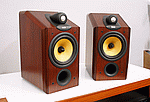
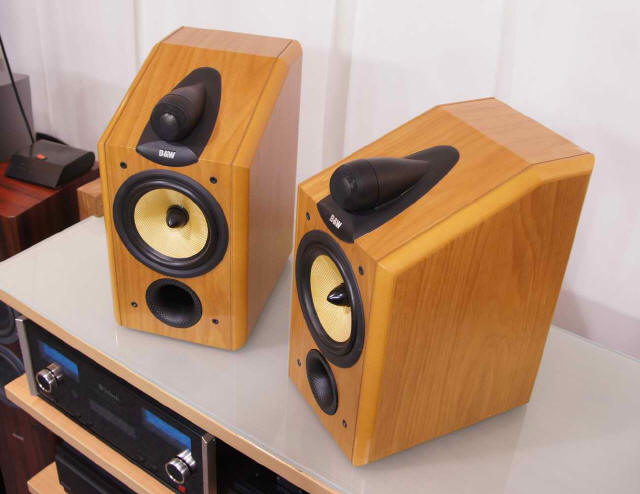
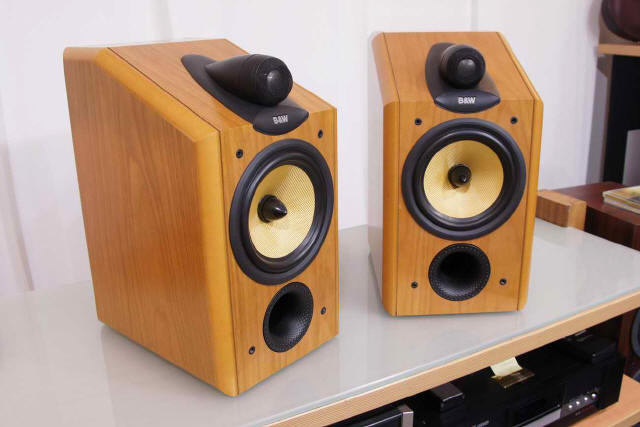
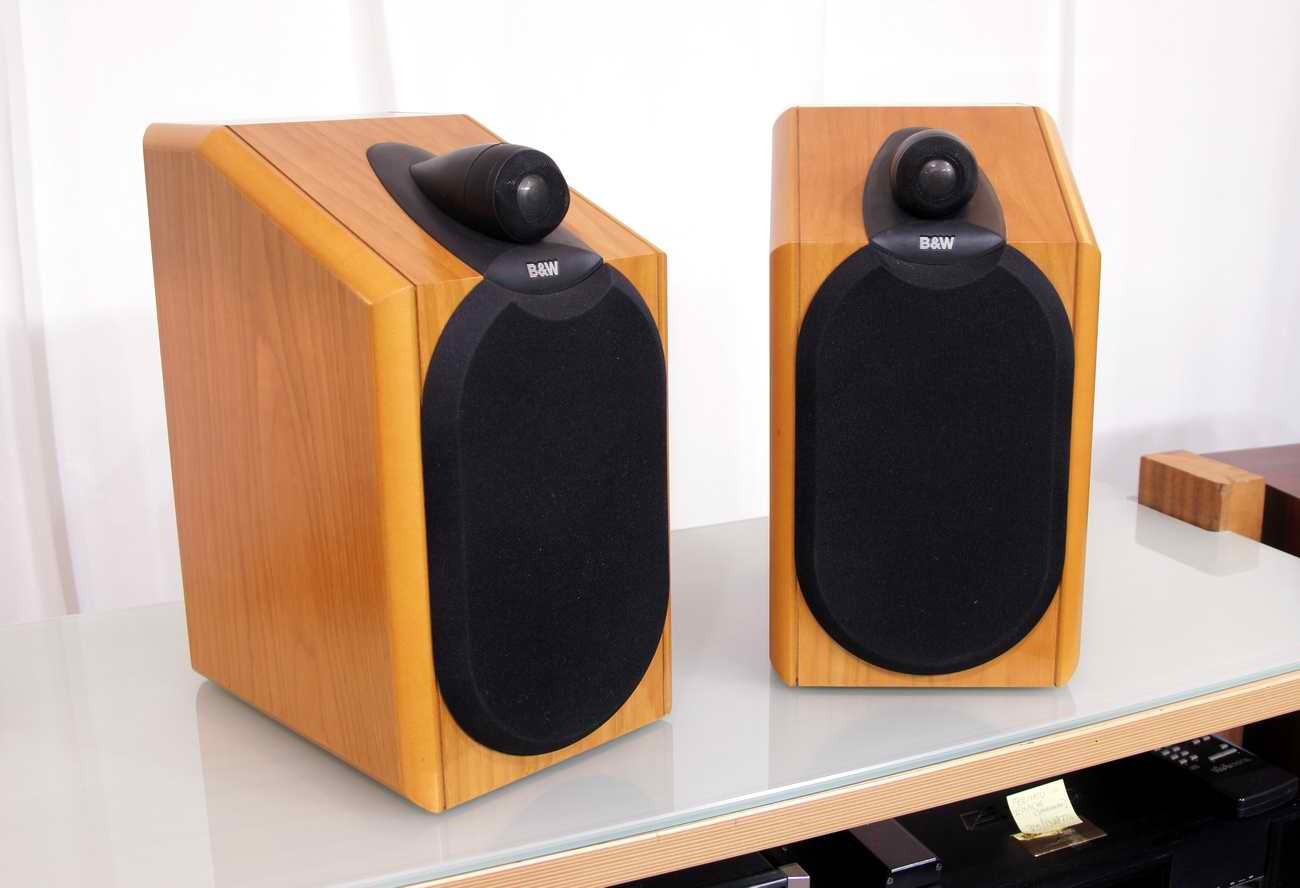
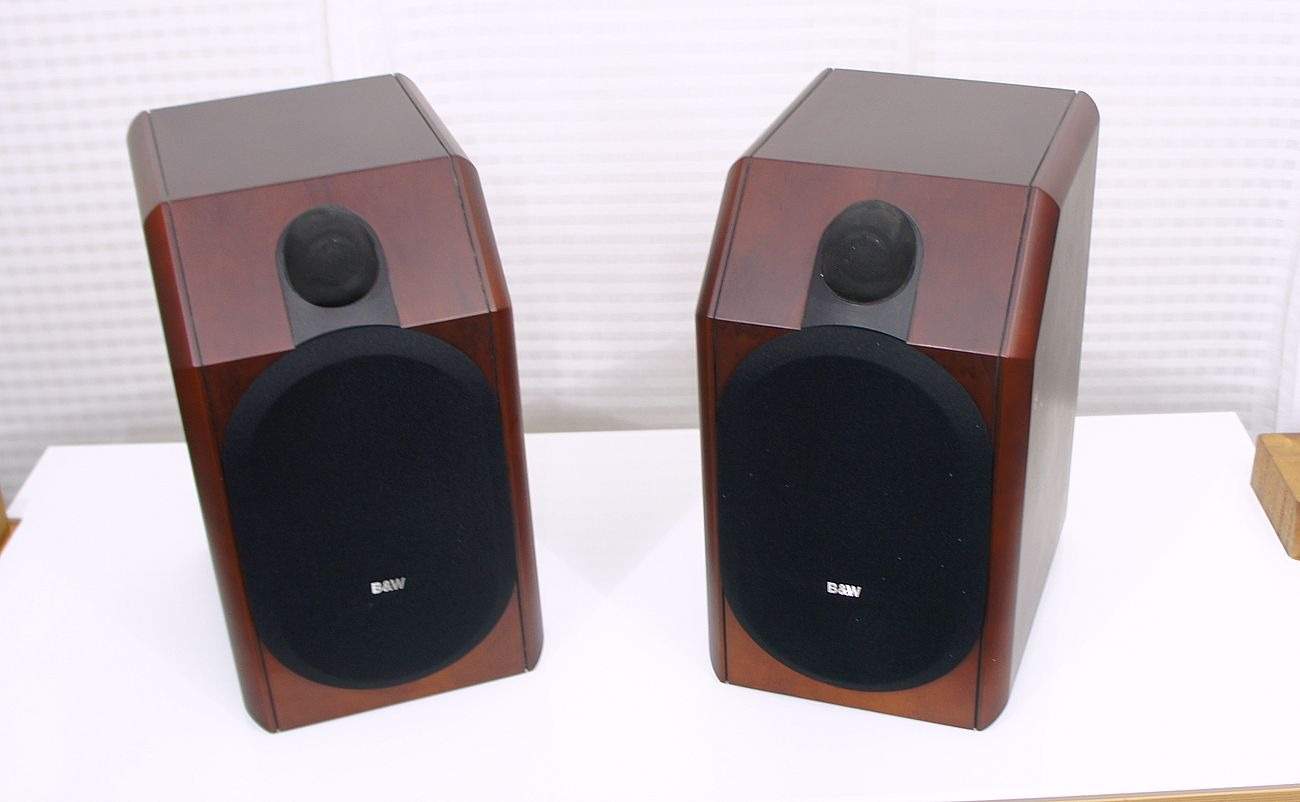
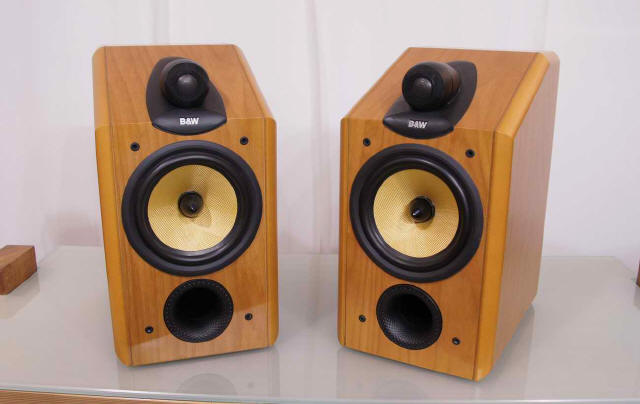
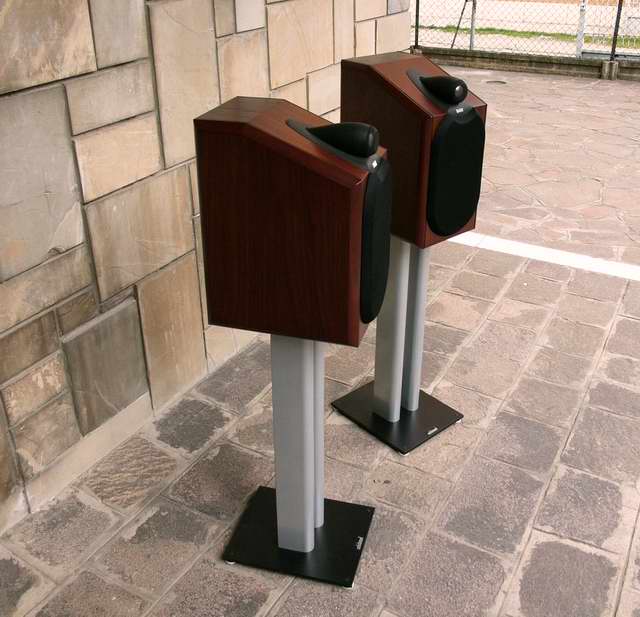
B&W is one of the few British hi-fi loudspeaker manufacturers that have managed to maintain a prominent position in the market while adhering to basic engineering principles, rather than following the almost mystical fads of hi-fi tweakers. The CDM1s under review might seem a little unusual, but even the cabinet shape is based on established principles, and the speaker system itself is a fairly conventional two-way, passive arrangement in a single cabinet. Although conceived as hi-fi loudspeakers, the CDM1s are perfectly capable of producing monitoring-level sound pressure levels when used in the near-field, and their tonal integrity holds together even up to surprisingly high levels.
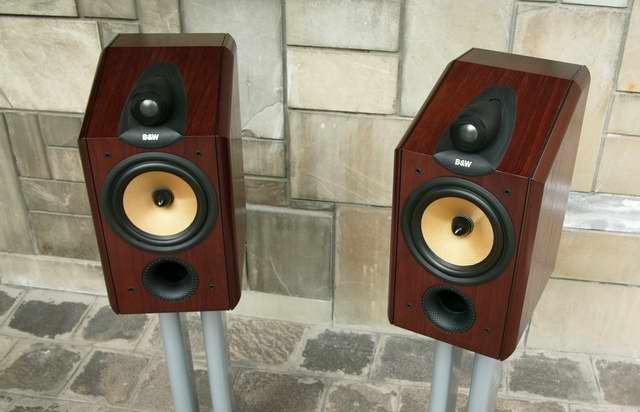
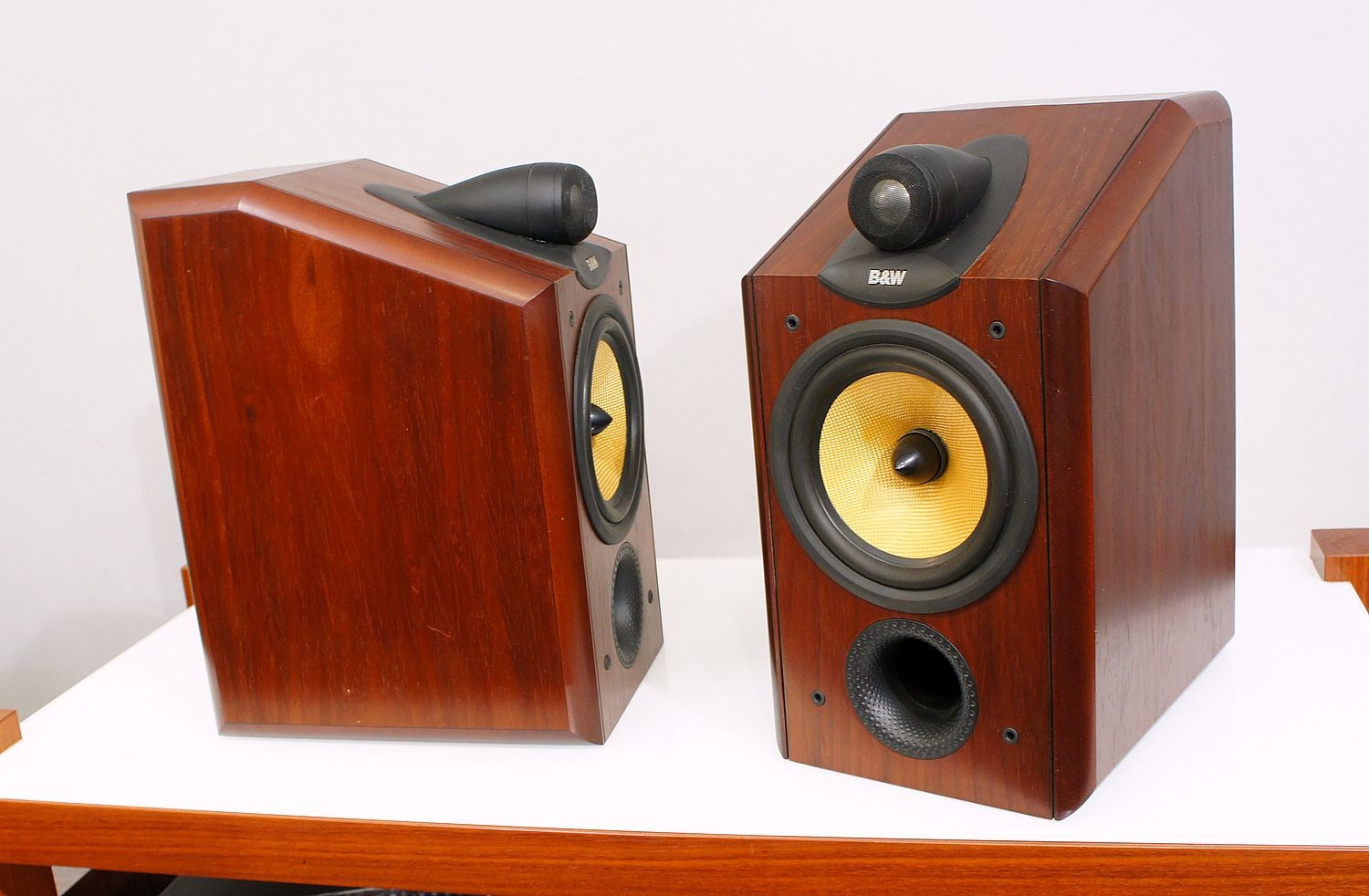
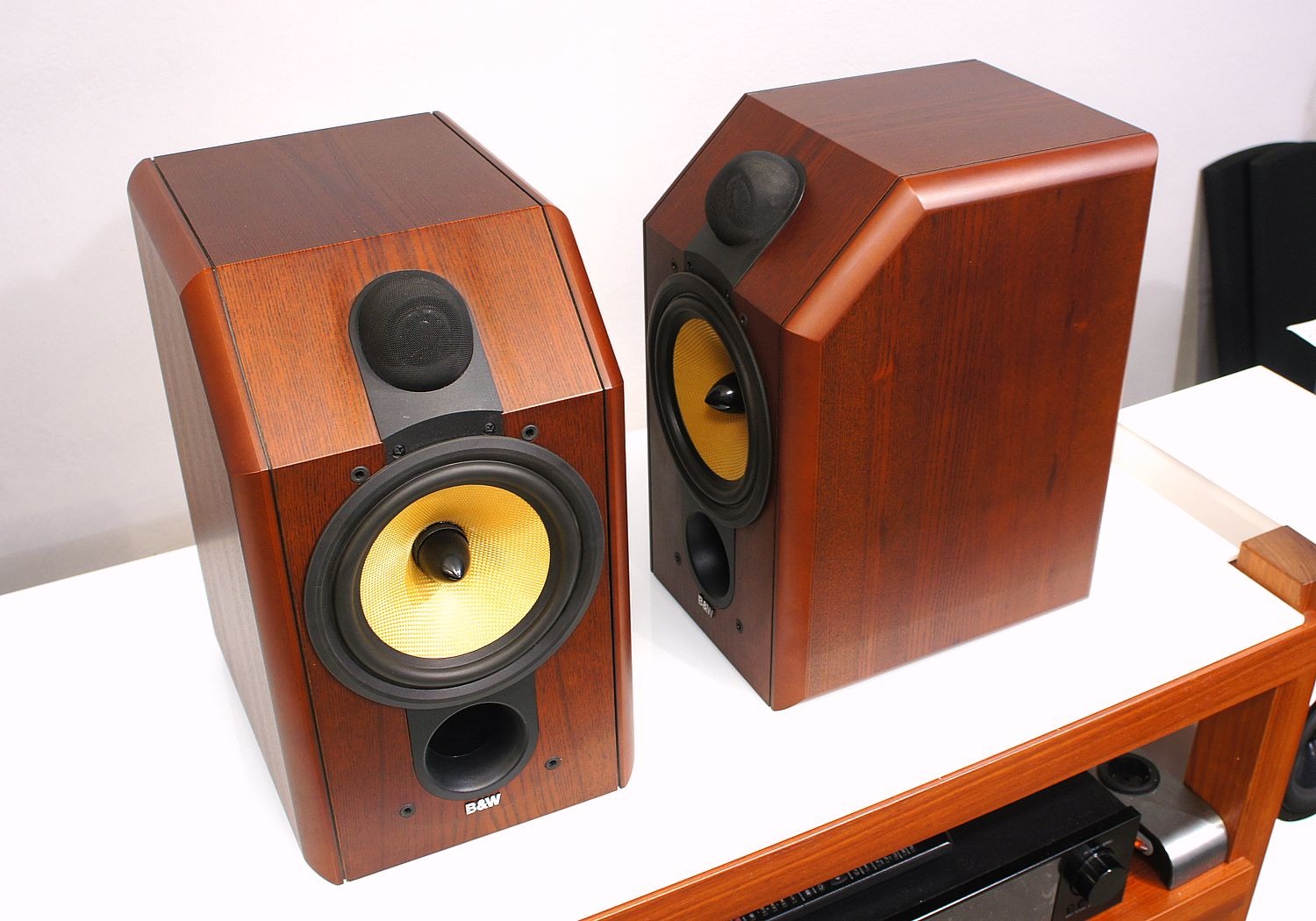
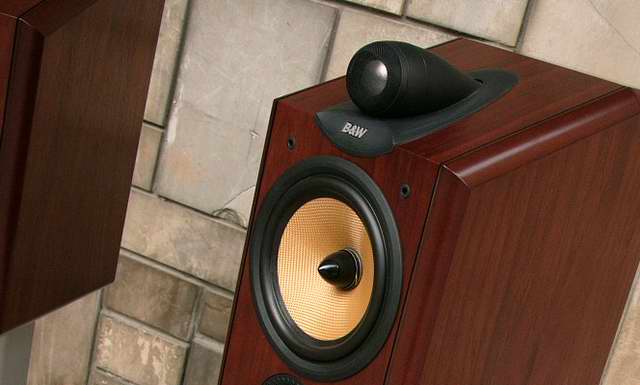
At the heart of the system is a 165mm bass/mid driver comprising a Kevlar fabric cone suspended in a substantial die-cast basket, and driven by a 31mm voice coil. Handling the top end is a free-mounted, 26mm, alloy dome tweeter, which incorporates a high-power voice coil, working in a hydraulic magnetic gap for cooling. Feeding the two drivers is a passive crossover, which, when combined with the natural characteristics of the drivers, produces a 4th-order filter characteristic with a crossover point at 3kHz. The resulting system has a wide useful frequency range, covering 64Hz to 20kHz +/- 2dB, and is only down 6dB between 46Hz and 25kHz. This isn't as extensive as you'd expect from a large, medium-sized, or main monitoring system, but it's more than adequate for nearfield work, and is much less likely to cause modal resonance problems in small rooms that have little, or no, acoustic treatment.
Considering their small size, the CDM1s are surprisingly efficient at 88dB for 2.83V input at 1m, which, in non-technical terms, means that an amplifier capable of delivering between 50W and 120W will give you enough wild power to control without clipping. For hi-fi use, you can go as low as 30W per channel, but in the studio, I'd be inclined to think along the lines of 75W a side, or more, unless you're in the habit of always having moderate control levels. Although nominally rated for 8(omega) speakers, the impedance drops to nearly half that value near resonance, so make sure you use an amplifier capable of driving 4(omega) speakers or less.
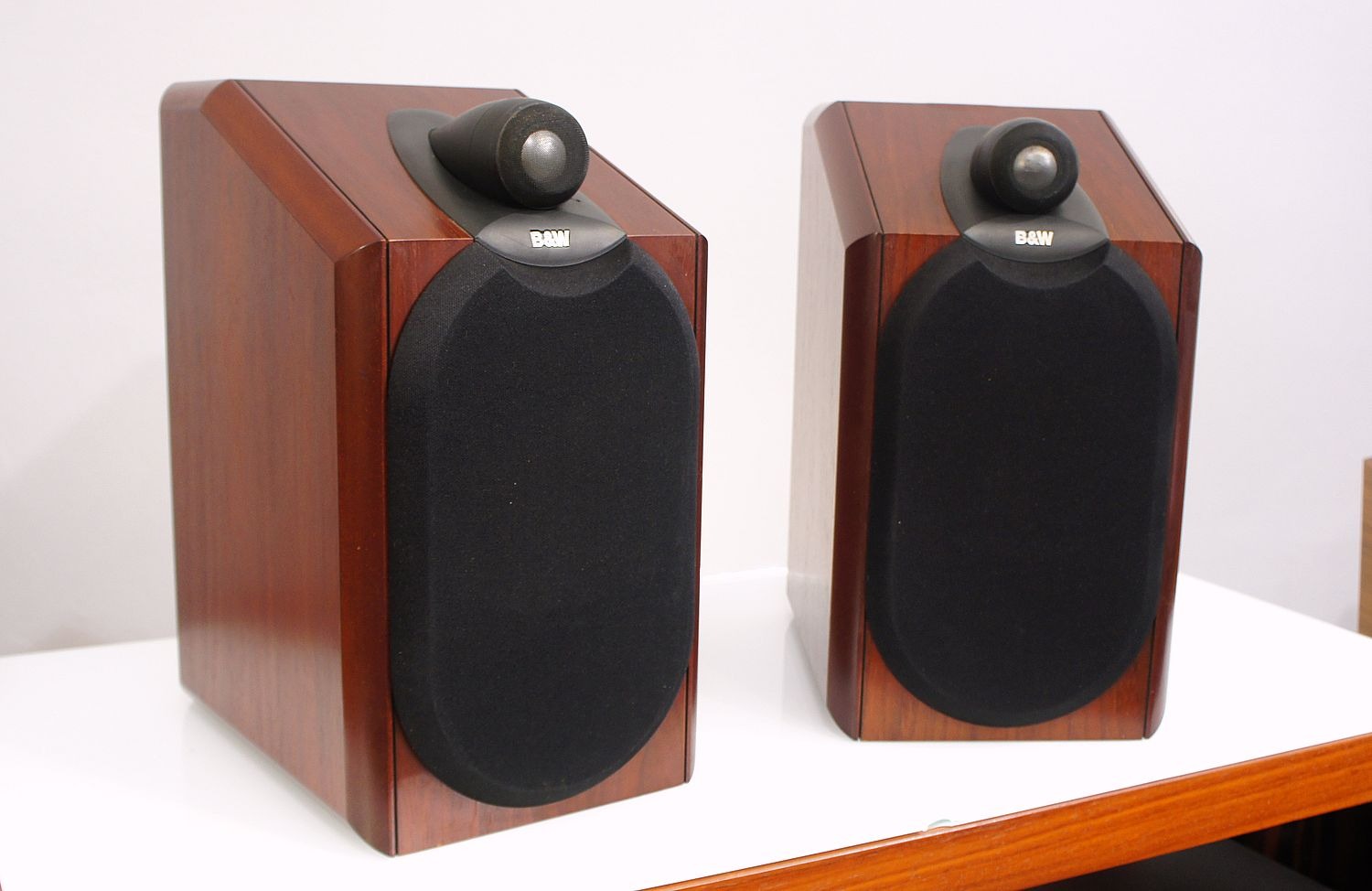
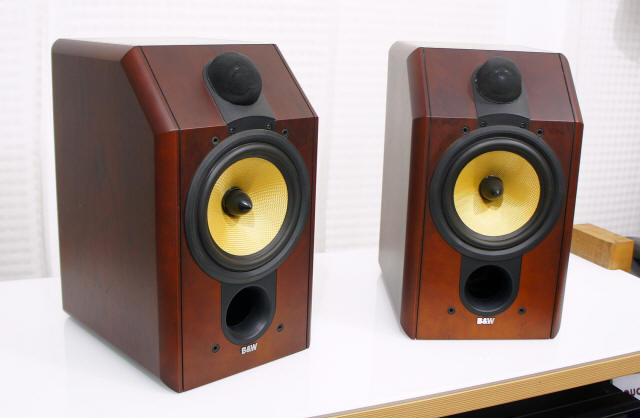
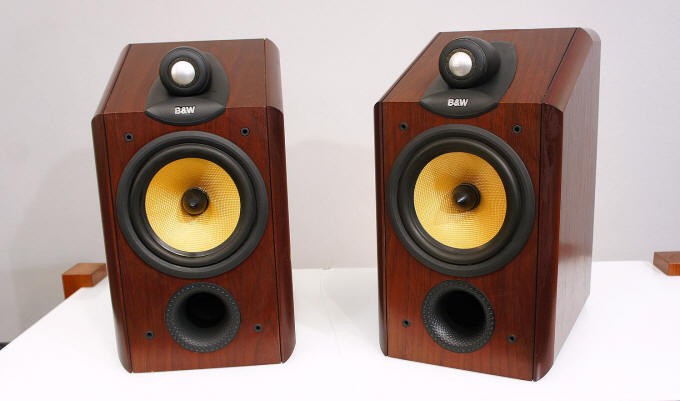
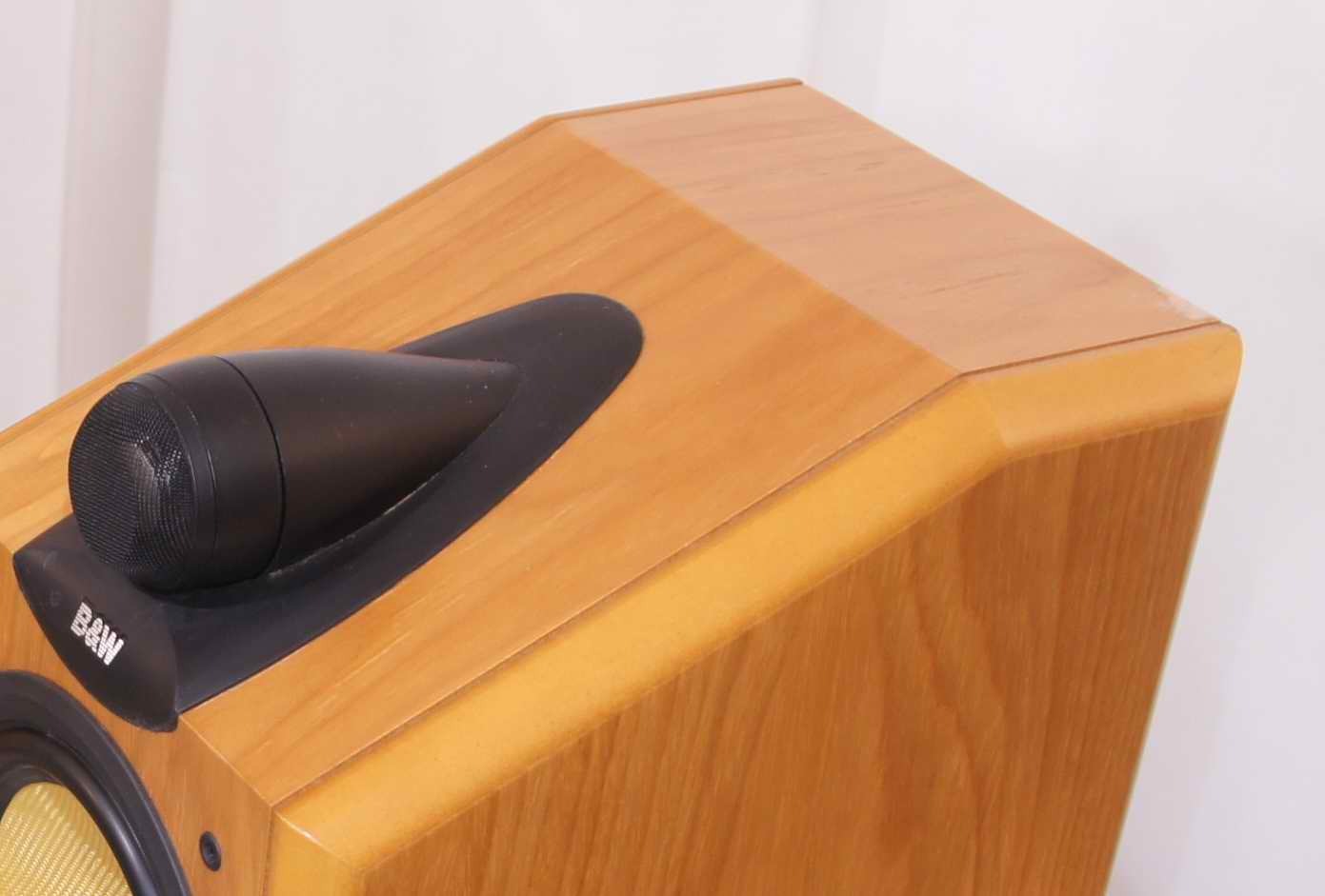
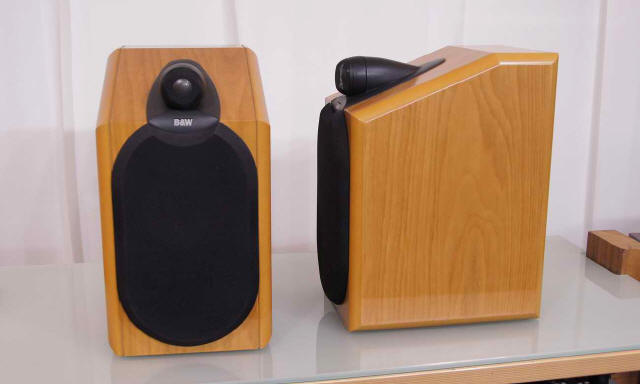
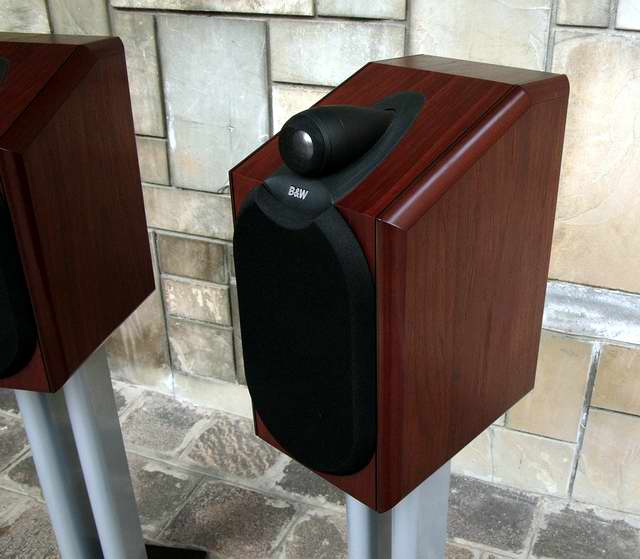
The cabinet deserves a comment, as in addition to being very elegant, the rounded edges are there to reduce edge cabinet diffraction, and while the sloping tweeter baffle may seem like a cosmetic add-on, it was probably introduced to deflect baffle reflections from distance from the listener. The tweeter itself is loosely mounted (not fixed directly to the baffle), so that it points directly ahead, and a mesh dome is fixed over it for protection.
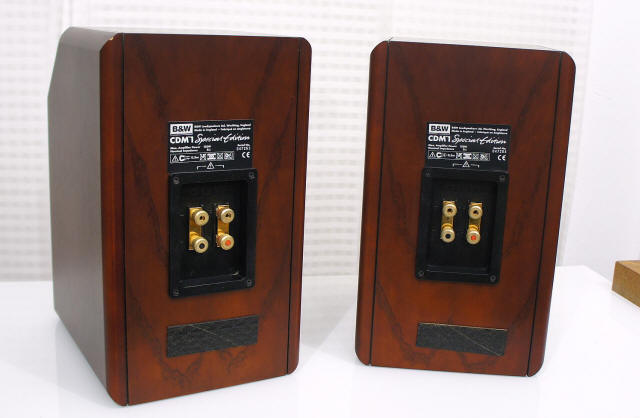
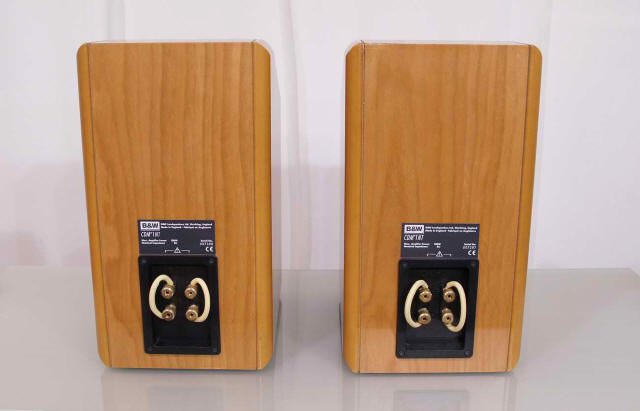
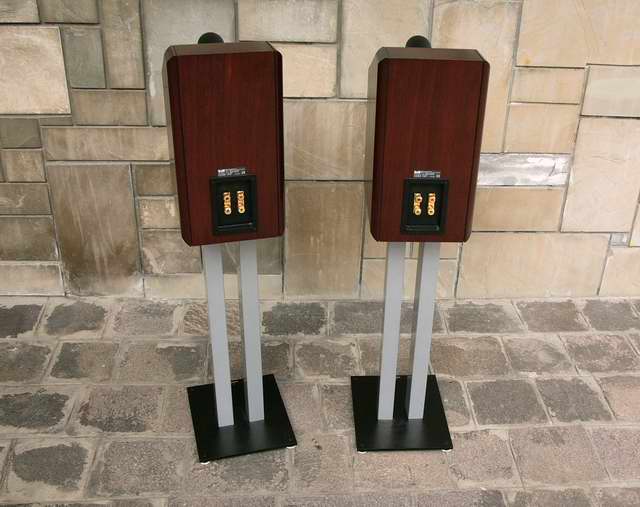
Connection to the speakers is with the chunky binding posts on the rear panel, and two sets of binding posts are equipped for those who prefer bi-wiring. The terminal holes (which accept bare wires or banana plugs) are large in surface area, and should accommodate all but the most esoterically butch speaker cables.
PERFORMANCE
I tested the CDM1s using an amplifier rated near the top of their power handling range, and found that I could get quite deafening levels without the LED clip winking at me, but to preserve what's left of my hearing, I quickly dropped the level to something more sensible and put on the usual selection of test CDs. Overall, the speakers deliver a well-balanced tonality, making them very suitable for general mixing work, with the usual caveat that the bass lacks any real depth, and even if it does rise to higher listening levels, there's still no real punch.
As I've said on more than one occasion, speaker design is a balancing act, and in the case of the CDM1s, some of the compromises show through when you listen. For example, the bass you won't have can start to sound just a hint 'plump' when you crank it up to level, and if you lightly tap the subwoofer's cone with the amp off, the resulting pitched thud seems to be in the offending tubbiness frequency, suggesting the system is a bit under-damped. This effect is subtle and doesn't at all detract from the performance of these monitors, but at £600 a pair, it's something you should be aware of.
The top end is surprisingly smooth for an alloy tweeter, but still not as smooth as you'd expect from a well-designed, soft-dome tweeter. The material is well blended, with only a slight lack of focus in the upper registers, but over all that blending, it's aoppo Lively, the sound takes on a slightly ragged edge, hinting at some anomalous behavior in the 5 to 7 kHz portion of the spectrum. Compared to some established nearfield monitors, this effect is quite subtle, but still deserves mention.
All things considered, the B&W CDM1s are a good example of small speaker design, and while they're not perfect, they do acquit themselves rather well. For a user working in a small room with limited space, the CDM1s are a viable choice for nearfield monitoring, although I have to admit that, given this kind of budget to spend on a monitoring system, they wouldn't be top of my list. Perhaps the CDM1s' high price is partly down to the sleek cabinet construction, but in the studio, most of us are more interested in value for money and sound, over appearances.
What it is: Two-way speaker
Manufacturer: B&W
Features: Two-way rflex
Cost:
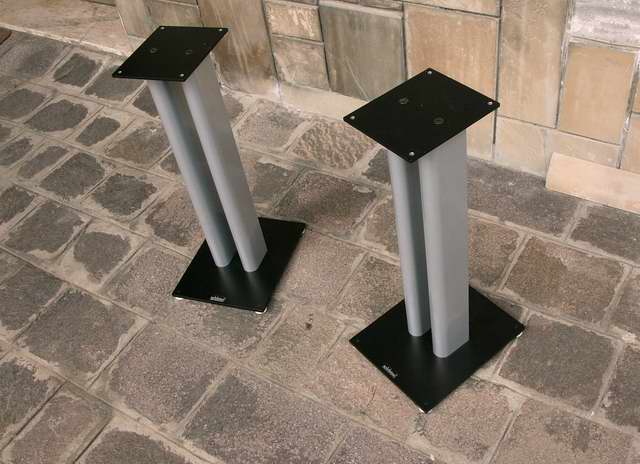
1338 euros for 2004 speakers - 190 euros for dedicated Solid Steel stands
1630 euros SE version
Specifications
| Diffuser type | passive |
|---|---|
| Sensitivity | 88 dB |
| Nominal impedance | 8 ohm |
| Frequency response | 64-20000 |
| Route configuration | 2 |
| Cabinet type | bass reflex |
| Maximum manageable power | 120 |
| Woofer | 165 mm Kevlar |
| Tweet | 26 mm dome alloy |
| Crossover frequency | 3000 Hz |
| country of origin | UK |
| Year of production | 2004 |
About the brand
Bowers & Wilkins is the British brand that for decades has represented excellence in the design of loudspeakers and hi-fi systems for audiophiles and professionals. The models in the catalog, from the 800 series to the compact lines, cover listening needs ranging from dedicated bedroom reproduction to living room integration, always ensuring precise tonal reproduction and controlled dynamics.
To choose the most suitable Bowers & Wilkins speaker, consider the space available (compact models like the 705 S2 are suitable for medium-sized rooms, while the 803S and 805D require more generous spaces), the available amplification and the predominant musical genre. Audiocostruzioni We carry the entire B&W range along with over 70 other hi-fi brands: you can listen to the speakers in our listening room in Carpi, receive technical advice on matching them to your system, and choose from new, guaranteed used, and ex-demo products.
FAQ
This product is in the Archive section and is no longer available for sale. Visit our catalog to discover current models or contact us for personalized advice on a similar product.
When a model goes out of production, is sold permanently, or is no longer available from our suppliers, we move it to the Archive section. We maintain the page online for informational purposes: users and collectors can continue to consult specifications, descriptions, and reference images.
Probably. Visit our product catalog to discover equivalent models currently on sale: you can filter by category, brand, and price range to find the best alternative for your system.
We do not carry used or vintage products. To discover currently available alternatives, click the "Go to catalog" button at the top right of the page, or go directly to our product catalog to browse the models for sale.
We do not directly handle technical assistance or spare parts. On our support page , you'll find tables with direct contact information for service centers and specialized repairers: you can contact them directly to discuss repairs or spare parts availability.