When Japanese engineering meets design: pure bass, absolute control
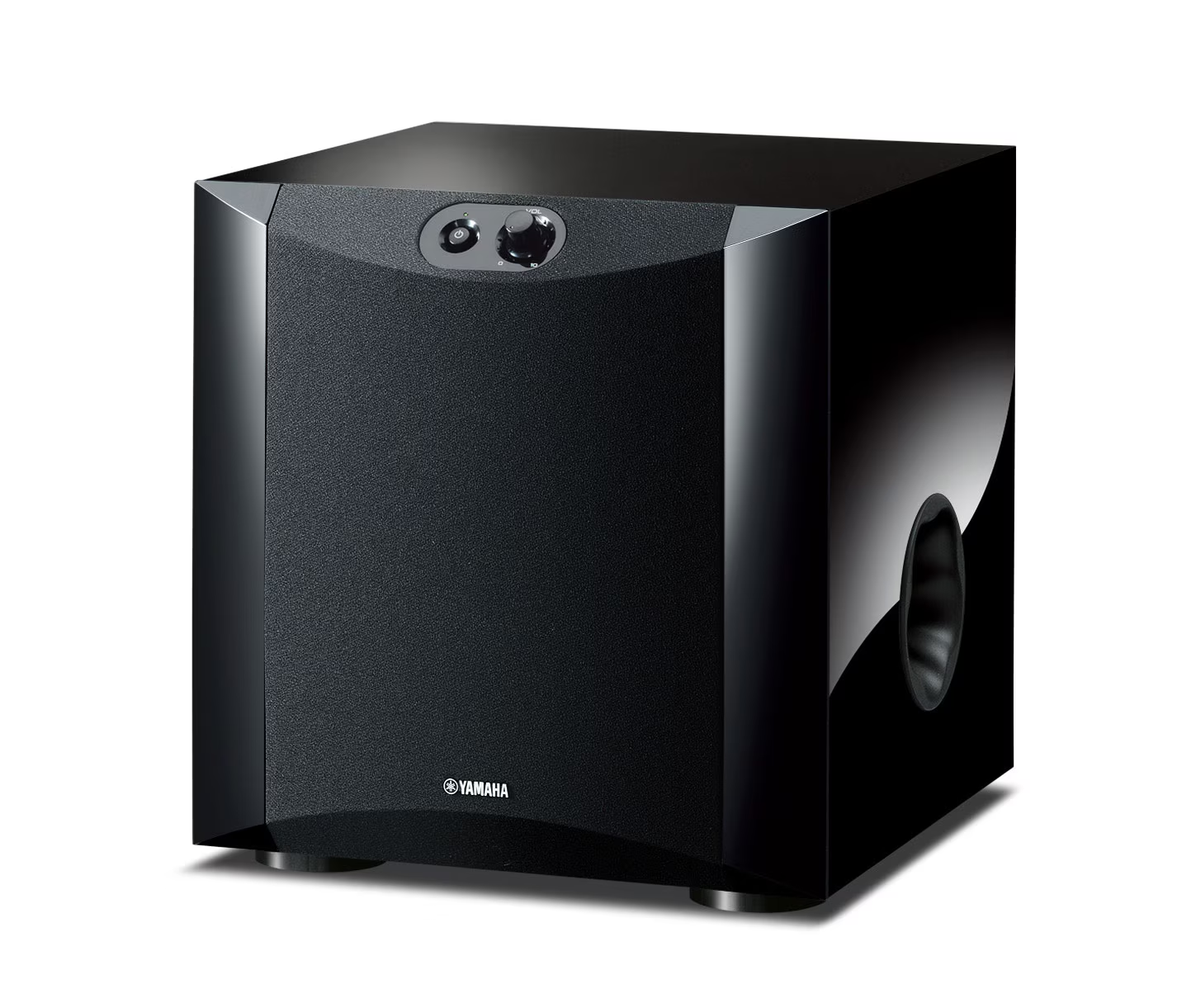
The Yamaha NS-SW200 represents the natural evolution of Yamaha’s philosophy in compact subwoofers: combining authentic audio performance with aesthetics that disappear into the home interior. With its 20 cm (8") woofer , 130W PWM digital amplifier , and revolutionary Twisted Flare Port , this subwoofer does more than reproduce low frequencies—it sculpts them with surgical precision, delivering every nuance of a cinematic explosion or the punch of a jazz bass line with equal authority. Available in four elegant finishes (including the exclusive Dark Brown Birch and Natural Birch for the Italian market), the NS-SW200 is designed for those who seek visual integration without sonic compromise.
Technical excellence: digital engineering at the service of emotion
At the heart of the NS-SW200 is its highly efficient PWM digital amplifier , a solution Yamaha has refined to maximize power and control while minimizing power consumption and heat generation. Delivering 130W RMS , this amplifier uses a dual feedback circuit that applies signal correction twice, dramatically reducing harmonic and intermodulation distortion. The result? Crystal-clear bass even at high volumes, with lightning-fast transient response that captures every kick drum attack or LFE effect without any smearing.
Advanced YST II (Yamaha Active Servo Technology II) takes this precision to the next level. By combining negative impedance and DC control via ANIC (Advanced Negative Impedance Converter) circuitry , the system dynamically optimizes the woofer's impedance to maintain excellent linearity even during the most extreme excursions. In practice, this means that the driver cone moves exactly as the signal commands, without parasitic resonances or added color—pure fidelity to the source, as Yamaha has done since 1887.
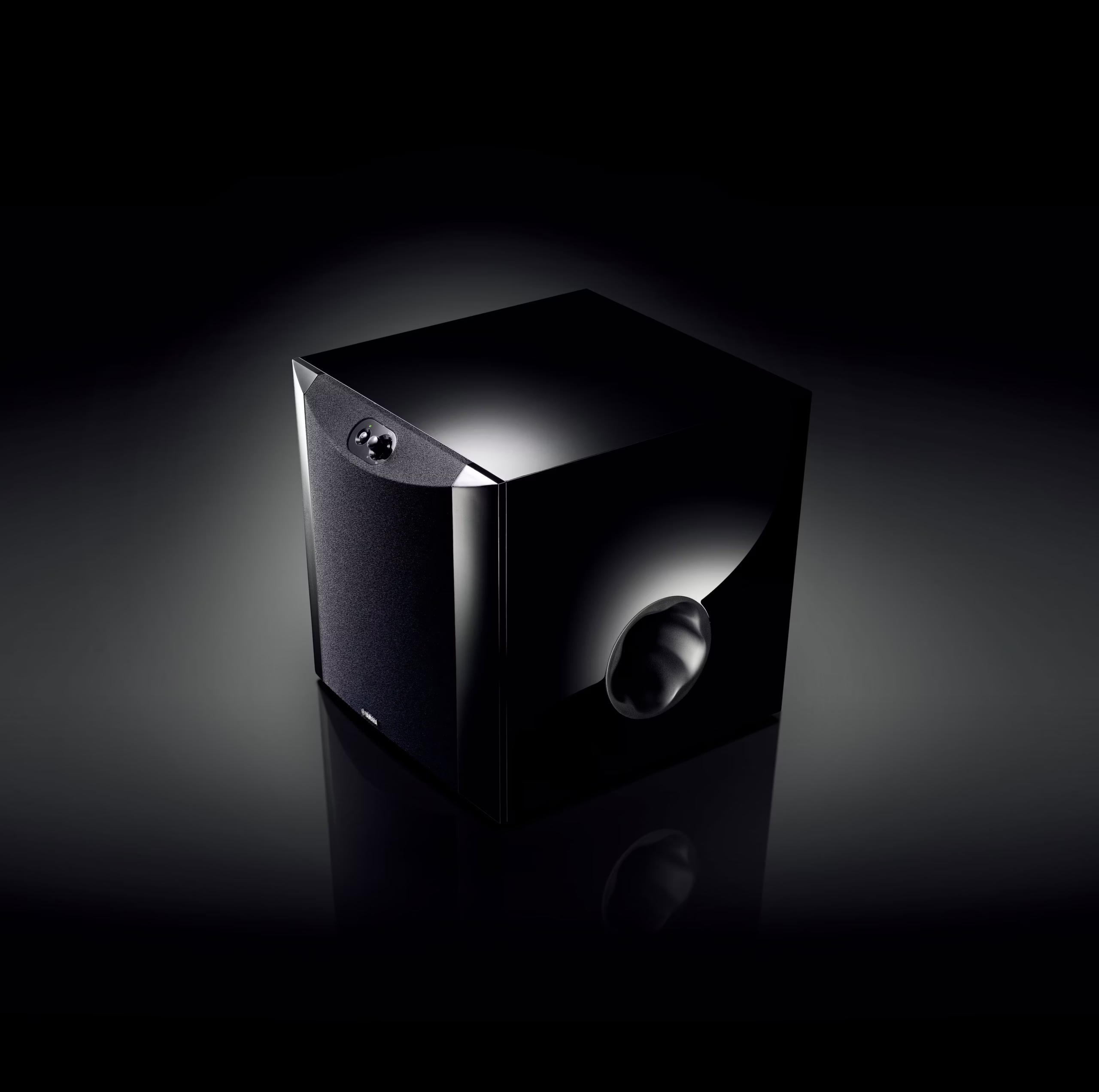
But the most visible (and audible) innovation is the Twisted Flare Port , the fruit of decades of R&D in Yamaha's laboratories. This gently spiraling, bell-shaped port diffuses the air vortices generated by the woofer's movement, reducing airflow resistance and turbulence that would otherwise cause "chuffing" (that annoying hissing sound found in poorly designed reflex ports). The result is low-end extension that reaches down to 28 Hz with authority, without compression or extraneous noise, whether you're listening to the roar of an engine in Mad Max: Fury Road or the sustain of a double bass in Miles Davis' Kind of Blue .
Listening Benefits: Transform your system into an immersive experience
Adding the NS-SW200 to your setup adds a solid sonic foundation without invading your living space. Its compact design (290 x 306 x 351 mm) makes it easy to place even in small spaces, while its 11,2 kg weight ensures stability without weighing you down when moving or relocating for optimal acoustics. Thanks to its extended response down to 28 Hz, you can unlock the lower octaves that bookshelf and floorstanding speakers simply can't physically reach—meaning you can hear the thump of a symphony orchestra or the sub-drop of an electronic piece exactly as the composer intended.
For fans of home cinema, the NS-SW200 transforms the sofa into a living room armchair: cinematic explosions acquire physical weight, car chases make the air vibrate, whispered dialogues gain body thanks to the support in the mid-low range. For the stereo audiophiles, integration with stand-mounted or floor-standing speakers comes naturally—the variable crossover and control of fase (normal or inverted) allow you to perfectly align the sub with the main drivers, creating a cohesive soundstage where the transition between woofer and mid-bass disappears.
The Auto Standby function with sensitivity selector (high, low, off) intelligently manages consumption: the subwoofer activates automatically when it detects a signal and returns to standby after a period of inactivity, with a residual consumption of just 0,3W — practically zero impact on your bill, maximum respect for the environment.
Setup and compatibility: plug-and-play with intelligence
The 45° inclined front panel houses the essential checks (power, volume) in an ergonomic position, accessible even when the sub is placed on the floor or in a corner. The bright LED above the power button immediately indicates the status operative. On the rear panel we find inputs line-level RCA (both LFE and stereo), control of variable crossover (50–150 Hz) and the terminal System Connector for automatic triggering from compatible amplifiers—so the subwoofer turns on and off with your system, without manual intervention.
The NS-SW200 pairs beautifully with Yamaha's NS-SW200 series speakers. NS-F160 o NS-B330, but its neutral nature makes it compatible with third-party brands such as KEF, ELAC, Monitor Audio o Focal. For a 5.1 or 7.1 setup, it works perfectly with entry-level and mid-range AV receivers (Yamaha RX-V4A, Denon AVR-X2800H, Marantz NR1711) without requiring complex equalization—plug-and-play with intelligence.
Yamaha Heritage: 136 Years of Passion for Perfect Sound
Since 1887, Yamaha has been crafting musical instruments and audio equipment with an unwavering philosophy: tonal fidelity, engineering reliability, and timeless design. The NS-SW200 embodies this DNA in every component—from the rigid-basket driver to the amplifier circuitry derived from its pro-audio range. It's not just a bass booster, but a hi-fi component designed to last decades, backed by the warranty and support of a brand that has educated generations of musicians and audio engineers. Choosing Yamaha means investing in verifiable sound quality, not marketing hype.
Alternatives and comparisons: NS-SW200 in the market context
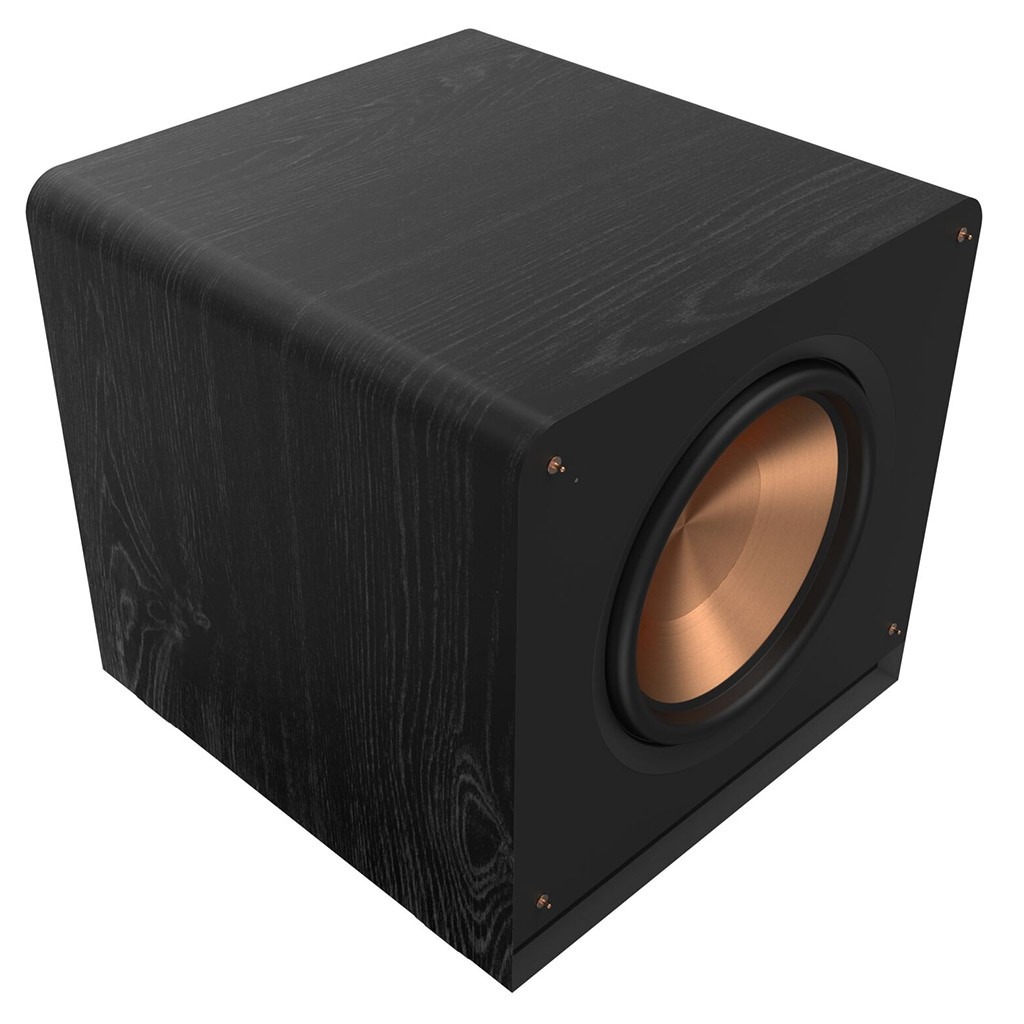
Compared to the Yamaha NS-SW050 (a lesser model), the NS-SW200 offers an additional 30W, a larger driver (8" vs. 5"), and the crucial Twisted Flare Port, justifying the price difference with superior bass extension and dynamics. Compared to direct competitors like the Klipsch R-10SW or the Polk Audio PSW10 , the NS-SW200 excels in control and lack of coloration—where American rivals tend to emphasize punch and soundstage, Yamaha favors linearity and transparent integration.
For those seeking even more sound pressure, the next step up is the Yamaha NS-SW300 (10", 270W, 25Hz extension), but for rooms up to 30m² and on a budget, the NS-SW200 represents the sweet spot between performance, aesthetics and value—you'll be hard-pressed to find better under €400.
FAQ – Frequently Asked Questions
1. Is the NS-SW200 suitable for hi-fi stereo systems or just home cinema? Absolutely versatile: with its variable crossover and control of fase, it integrates perfectly in both 2.1 stereo setups (to extend bookshelf or towers) and 5.1/7.1 multichannel configurations. Its tonal neutrality makes it ideal for audiophiles who do not want to "color" the sound.
2. What's the difference between the NS-SW200 and the NS-SW050? The NS-SW200 offers a larger driver (8" vs. 5"), more power (130W vs. 100W), a Twisted Flare Port (missing in the NS-SW050), and deeper bass extension (28Hz vs. 35Hz). It sounds more authoritative, controlled, and dynamic—worth the investment for those who listen to complex music or action films.
3. Can I connect it to a vintage amplifier without a dedicated subwoofer output? Yes: use the stereo RCA inputs (L+R) and the NS-SW200's internal crossover will handle the filtering. Some prefer this setup for greater control over the acoustic blend. The System Connector isn't essential—it works perfectly even without automatic triggering.
4. How loud is the amplifier at idle? Can you hear hiss or hum? The PWM digital amplifier is inherently quiet—no audible hiss near the driver, thanks to the lack of a Class AB analog stage. If you hear hum, check for ground loops (try a ground isolation adapter) or interference from other equipment.
5. What's the best placement to maximize bass and minimize boom? Start with the "subwoofer crawl": place the sub at the listening position, play bass-rich content, and crawl around the room to find the most linear sound—that's the sweet spot for the sub. Alternatively, corners away from parallel walls reduce stationary modes. The NS-SW200 benefits from at least 10 cm of space behind the reflex port.
6. Is it worth upgrading from a budget subwoofer (like Edifier or Logitech)? A radical upgrade: going from a PC/multimedia sub to the NS-SW200 is like going from a small car to a premium sedan. True extension at 28 Hz, dynamic control, no distortion even at high volumes—there's no comparison. If the system is worth it (speakers costing at least €300/pair), the investment is worth it.