[email protected] • 9:00 - 12:30 | 14:30 - 18.00:00 - Closed Saturday afternoon and Sunday • [email protected] • 9:00 - 12:30 | 14:30 - 18.00:00 - Closed Saturday afternoon and Sunday • [email protected] • 9:00 - 12:30 | 14:30 - 18.00:00 - Closed Saturday afternoon and Sunday • [email protected] • 9:00 - 12:30 | 14:30 - 18.00:00 - Closed Saturday afternoon and Sunday • [email protected] • 9:00 - 12:30 | 14:30 - 18.00:00 - Closed Saturday afternoon and Sunday • [email protected] • 9:00 - 12:30 | 14:30 - 18.00:00 - Closed Saturday afternoon and Sunday •
user
  1. Amplificatori
  2. Diffusori
  3. Sorgenti
  4. Vinyl
  5. Cables
  6. Accessori
  7. Cuffie

Your Cart

There's nothing here yet

Let's fix it right away.

CATALOG

Description

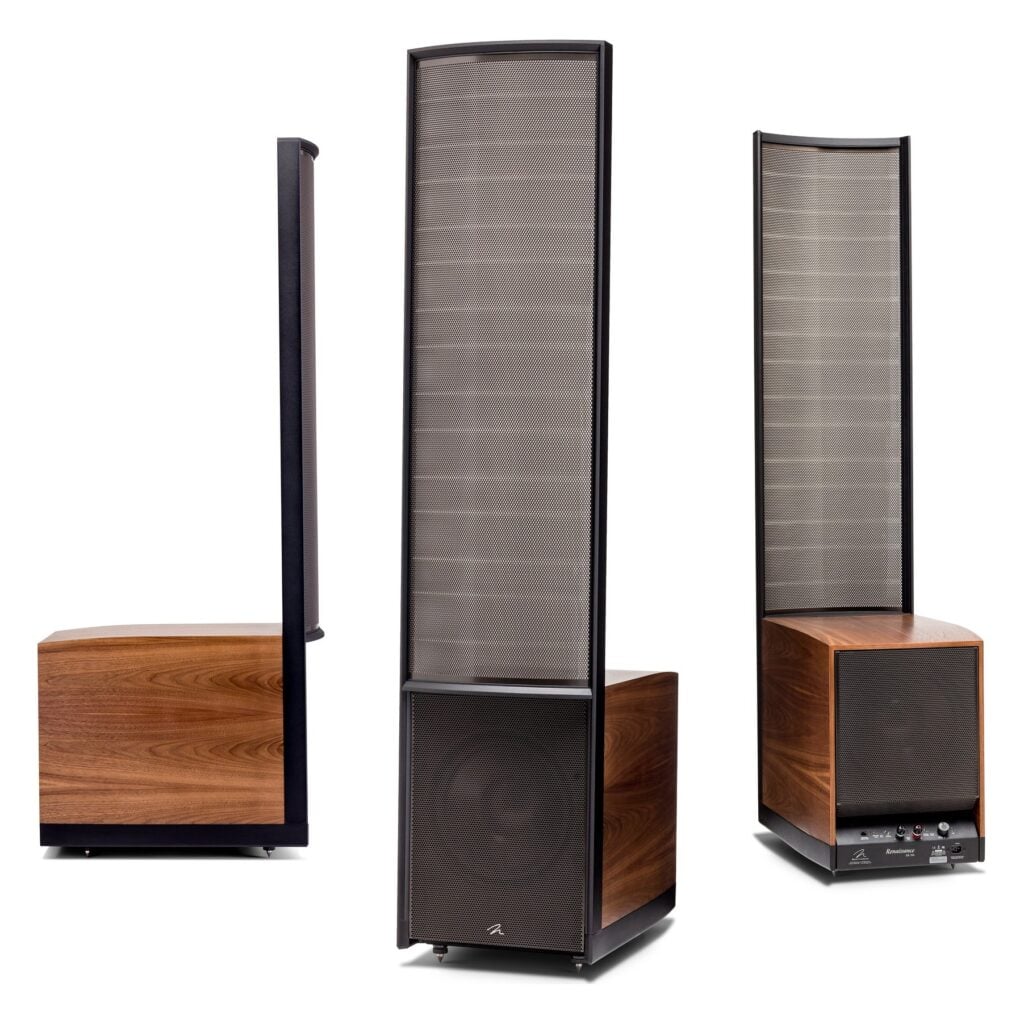
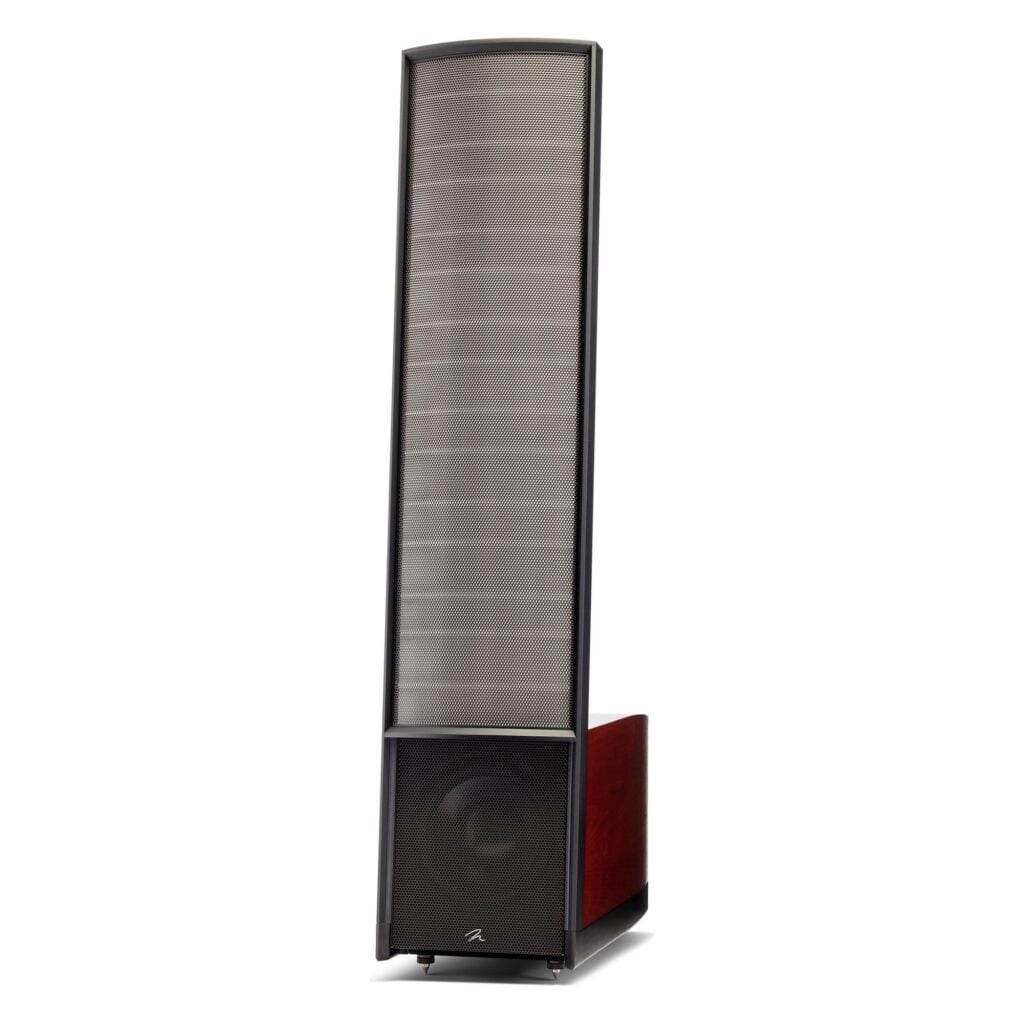
The McIntosh XRT1.1K are 4-way bass reflex floorstanding speakers with line array technology , derived from the XRT2.1K but more compact: 35 cm lower, 1,80 meters tall, and 78 kg lighter, so they adapt to more rooms. They can handle 1.200 watts and go down to 16 Hz.

Each speaker uses 70 drivers: four 6,5-inch woofers and two 6,5-inch honeycomb carbon nanofiber and Nomex low-midrange drivers, long-throw drivers in the bass cabinet; 24 2-inch midrange drivers and 40 3/4-inch aluminum-magnesium dome tweeters in the line array column suspended in front of the cabinet. All are derived from the XRT2.1K design. The crossover uses low-loss components and self-resetting PTC fuses to protect the drivers.

Why a line array? Those sitting nearby aren't overwhelmed by excessive volume, and those sitting far away don't hear a drop in level: the stereo image remains stable in almost every part of the room. Three pairs of Solid Cinch terminals allow for tri-wiring and tri-amplification. The cabinet is finished in seven-layer gloss black lacquer with aluminum inserts, and the base is made of machined aluminum and glass with adjustable feet and a logo that can be illuminated via Power Control.

Specifications

Diffuser type passive
Sensitivity 89 dB
Nominal impedance 8 ohm
Frequency response 16 Hz – 45 kHz
Route configuration 4
Cabinet type bass reflex
Maximum manageable power 1200
Woofer 4 x 6,5" carbon nanofiber and Nomex honeycomb, long travel
Midrange 2 x 6,5" carbon nanofiber and Nomex honeycomb (lower); 24 x 2" aluminum-magnesium dome (upper)
Tweet 40 3/4" aluminum-magnesium dome
Crossover frequency 150 Hz, 400 Hz, 2 kHz
Cabinet material Seven-layer glossy black lacquer with aluminum inserts; aluminum and glass base
Connectors 3 pairs of Solid Cinch terminals (tri-wiring and tri-amplification)
Dimensioni W 53,9 × H 179,7 × D 53,9 cm
Weight 82 kg
Trim Gloss black (Piano Black) with aluminum inserts

About the brand

McIntosh Laboratory was founded in 1949 by Frank H. McIntosh and Gordon Gow in Silver Spring, Maryland, and moved to Binghamton, New York, in 1951, where it remains headquartered today. Since November 2024, the McIntosh Group, which also includes Sonus faber, has been owned by the American company Bose, which has stated its intention to keep the two brands focused on amplifiers, speakers, and turntables.
McIntosh's history begins with the Unity Coupled circuit, patented at the company's inception and the basis of its first amplifier, the 50W-1: a unique output transformer configuration that reduced distortion compared to amplifiers of the time and is still used today in tube power amplifiers like the MC275. The design is unmistakable: black glass fronts, adopted in the 1960s, and the distinctive blue-illuminated VU meters, present since the mid-1970s. The transformers are still hand-wound in-house.
Distinctive technical solutions include Autoformers, the output autotransformers used in many solid-state amplifiers and integrated circuits, which allow full nominal power to be delivered into 2, 4, and 8-ohm loads; Power Guard, a patented circuit that compares the input signal with the output signal and limits clipping; and Sentry Monitor, a fuseless protection that disconnects the power amplifier when the current exceeds safety limits and automatically restores operation.
The range covers the entire chain. Integrated amplifiers include the MA252, the brand's first hybrid integrated amplifier, with a 12AX7 and 12AT7 tube preamplifier, a 100-watt solid-state power amplifier into 8 ohms, and a headphone output, and the MA12000, a 350-watt-per-channel hybrid, as well as the MA5300, MA7200, MA8950, and MA9500 solid-state integrated amplifiers and the MA2375 tube amplifier. The MC275 VI tube power amplifier delivers 75 watts per channel with KT88 tubes, or 150 watts in mono configuration; solid-state power amplifiers range from the MC152 to the 2.000-watt MC2.1KW monoblock. The range is completed by the C22 MKV, C49, C55, C2800 and C12000 preamplifiers, the MCD85, MCD350, MCD600 and MCD12000 players, the DS200 streamer, the MHA200 headphone amplifier, the MT2, MT5 and MT10 turntables and the XR100, XRT1.1K, XRT2.1K and ML1 MK II speakers.
The ML1 MK II is based on the ML1 designed around 1970 by Roger Russell: same closed cabinet and same dimensions, but with five speakers instead of four, including a 12-inch woofer. The MT5 turntable uses a magnetic suspension bearing, with minimal contact between the parts.
Those looking for a single unit with a tube preamp and simple operation will find the MA252 the most natural entry point. With demanding speakers or large rooms, autoformer-equipped integrated amplifiers like the 200-watt MA8950 or 300-watt MA9500 deliver full power into 2, 4, and 8 ohms. Those who prefer separate components can pair a C Series preamplifier with an MC275 VI, ideal for high-sensitivity speakers, or with a solid-state power amplifier when more power is needed.
In our Carpi showroom, you can listen to McIntosh equipment in the listening room, compare it with your speakers, and get advice on matching it. The same models can be ordered online at audiocostruzioni.com with shipping, asking us for advice first by email if necessary.


Find out more on our blog

Floorstanding or bookshelf speakers: a guide to choosing

Imposing tower or compact bookshelf? It's the question every enthusiast asks at least once, and the answer is never obvious. The choice between floorstanding and bookshelf speakers depends on more than just budget or space...
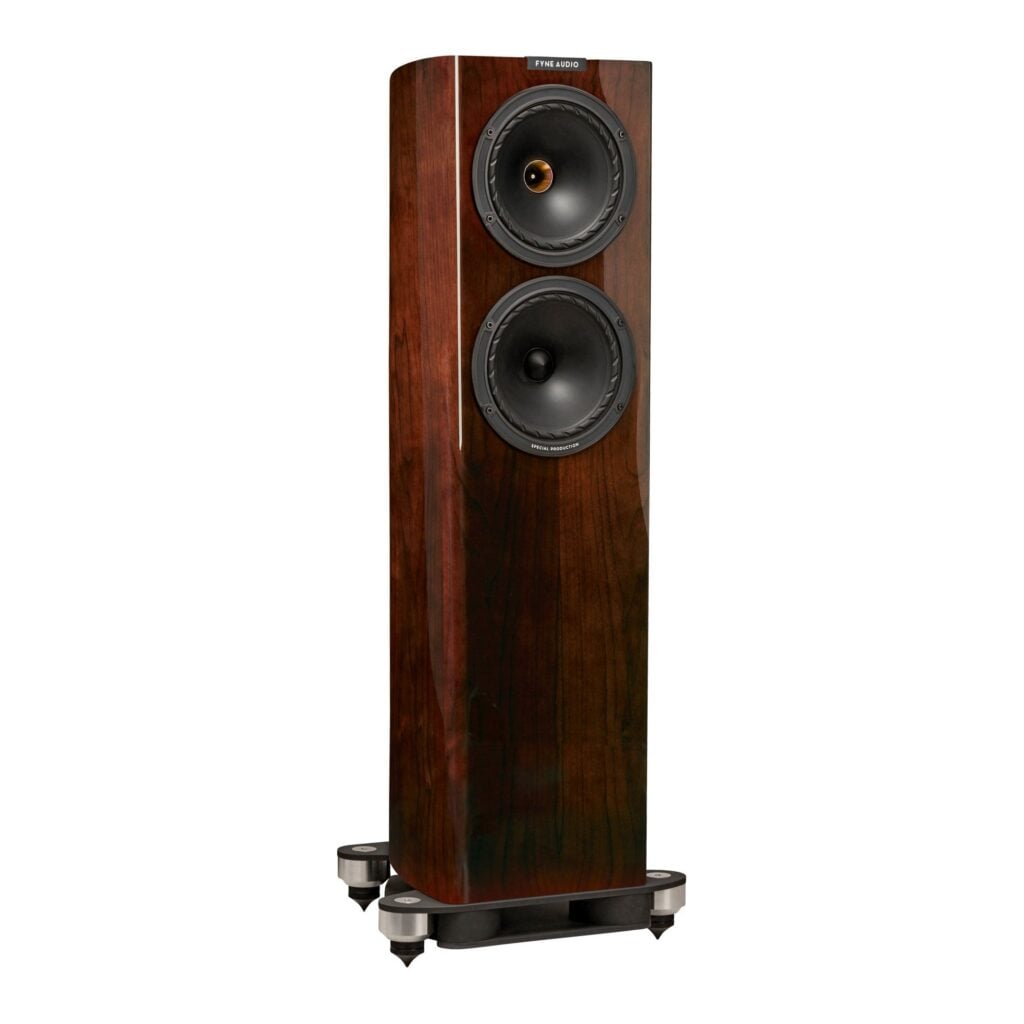
Anatomy of a Tower: What Makes a Speaker Unique

A floorstanding speaker is built to stand alone, without the need for external supports. Its height—often between 80 and 120 centimeters—allows it to house multiple separate drivers: a tweeter for highs, a midrange driver for midrange, and one or more woofers for bass. This multi-way configuration offers more granular control over different portions of the sound spectrum.

Often paired with

  • Nuovo
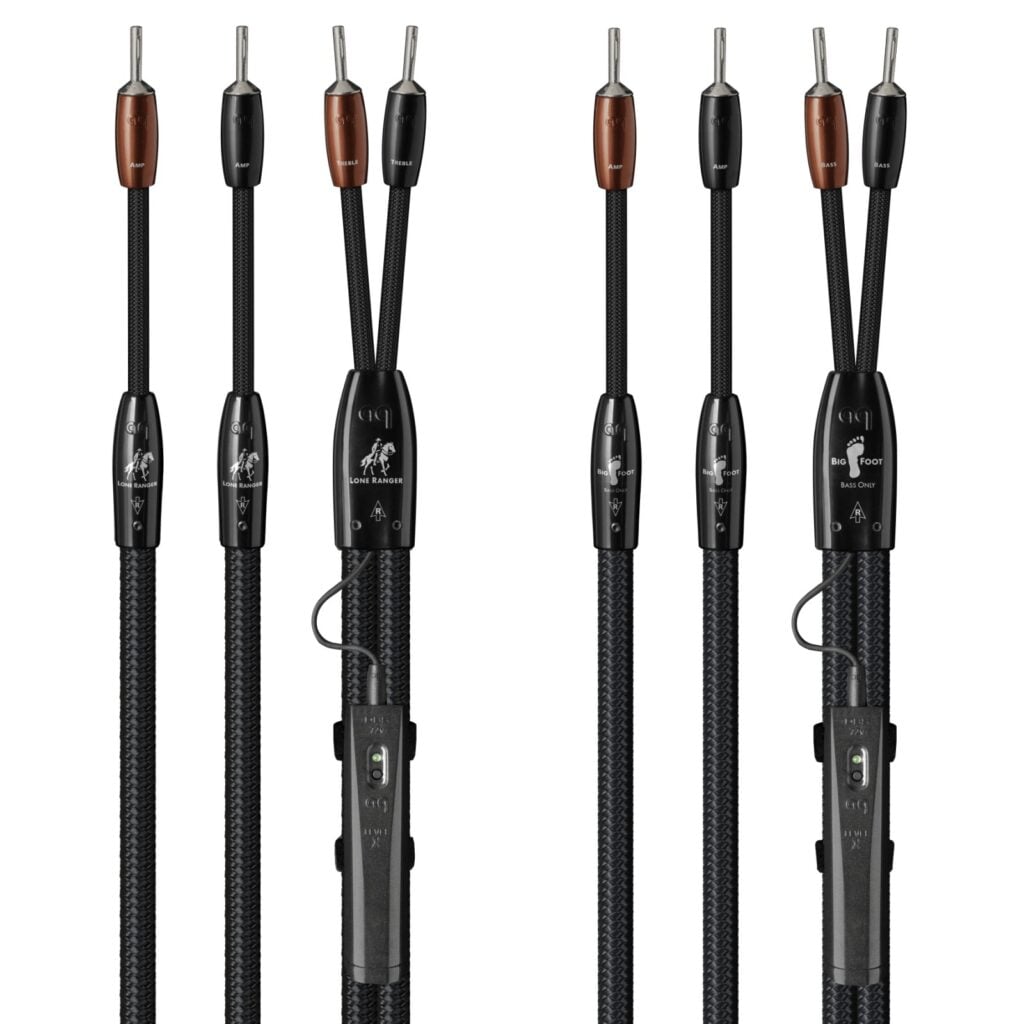
    AudioQuest Lone Ranger + BigFoot BiWire Combo
    Cavi di potenza
    ADD NOW

FAQ

/  Pair price
FLOOR SPEAKERS

McINTOSH
XRT1.1K

New
116.000 €

Availability

Condition