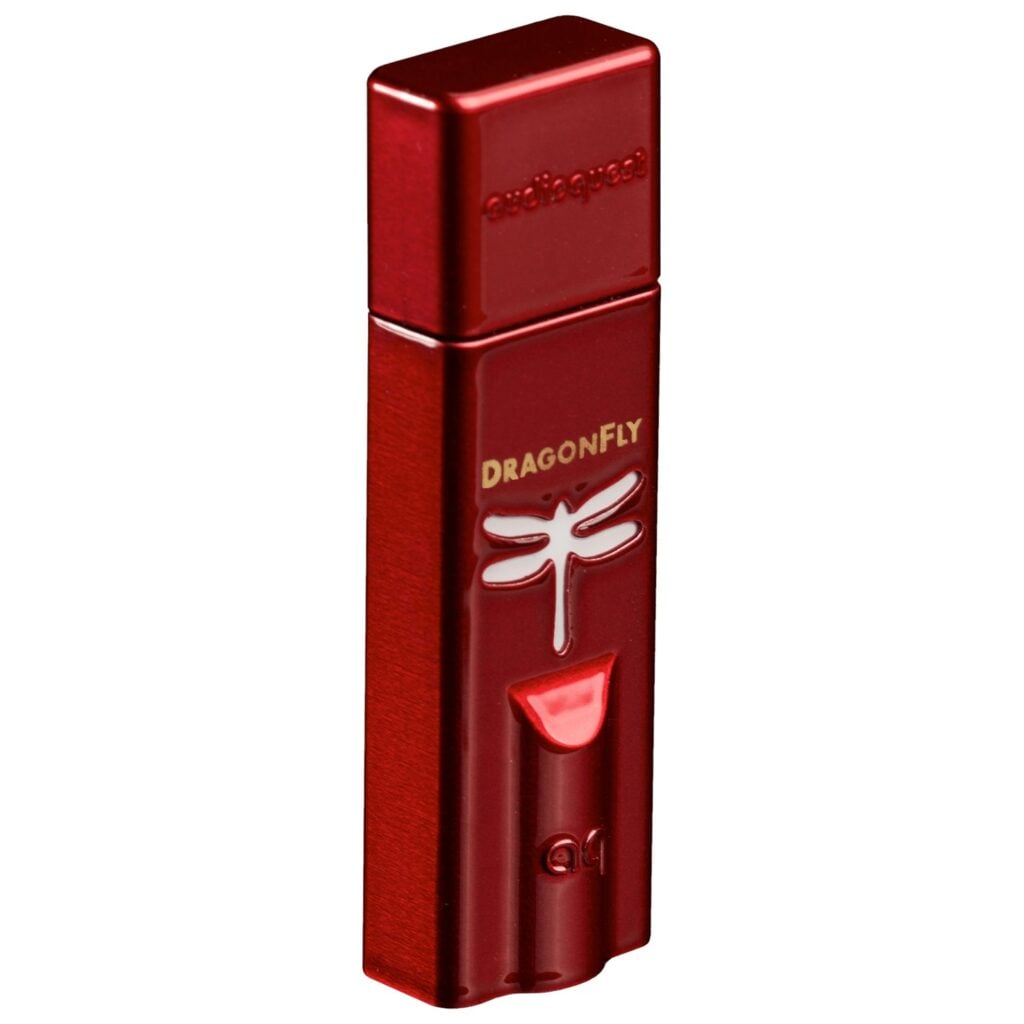
AudioQuest is an American company founded in 1980 by William E. Low, who still leads it today. Headquartered in Irvine, California, it distributes its products in dozens of countries. Originally an audio cable specialist, it has over time expanded its catalog to include video and digital cables, power products, USB DACs like the DragonFly series, and headphones.
The brand's philosophy starts from a simple idea: every connection in the system can add noise and distortion, and the cable's job is to introduce as little of it as possible. This is why AudioQuest places great importance on the quality of the conductor metal, their geometry, and the management of electrical disturbances.romagnetics.
Much of the range is distinguished by the type of copper used. Long-Grain Copper (LGC) is used in access lines, while Perfect-Surface Copper (PSC) and its improved version, PSC+, are reserved for higher-end models. Many cables also use metal layers to dissipate noise before it reaches the signal.
The Rivers & Elements series of analog interconnect cables follow a clear progression: the Chicago uses solid long-grain copper conductors, the Red River moves to PSC, and the Mackenzie moves up to PSC+. For speaker connections, the Rocket family combines LGC and PSC conductors in the 33 model, while for power, there are NRG cables and PowerQuest mains filters, with surge protection that lasts.
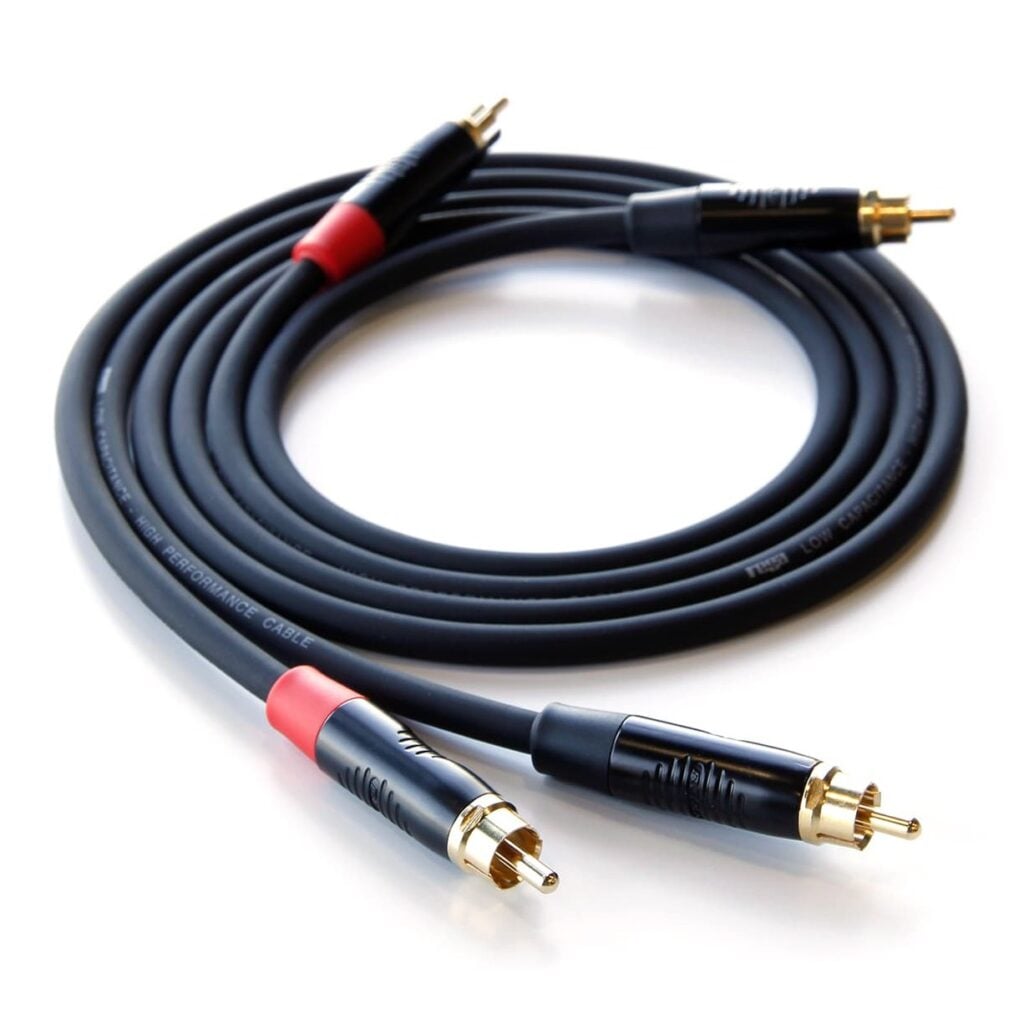
The selection is extensive. Among the signal cables, you'll find Rivers & Elements Chicago RCA, Red River in RCA and XLR versions, and Mackenzie in RCA and XLR versions, as well as Evergreen RCA, Golden Gate Turntable for turntables, and Black Lab for subwoofers. For speakers, there are Rocket 11, Rocket 22, and Rocket 33, Type 5 and Type 9 power cables.
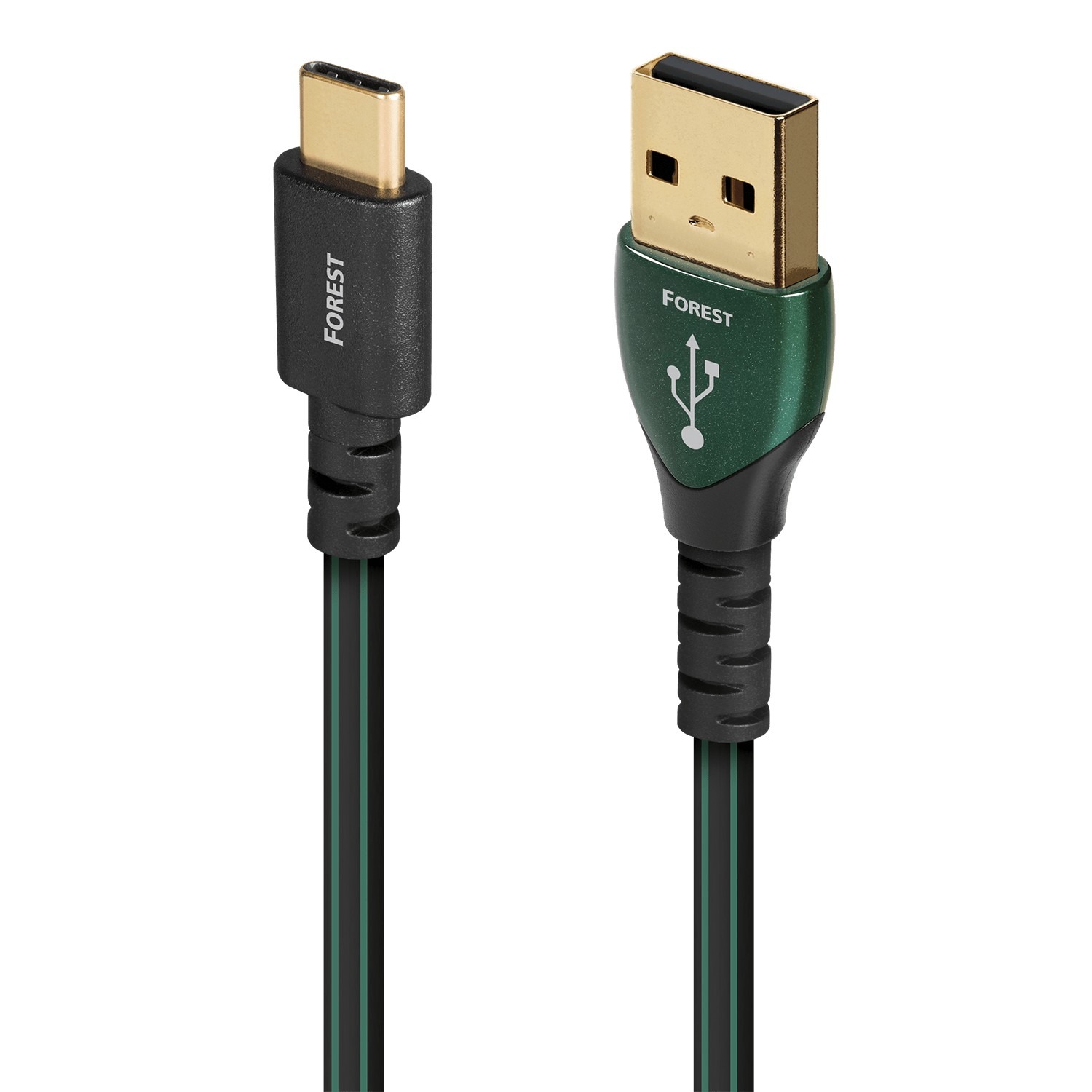
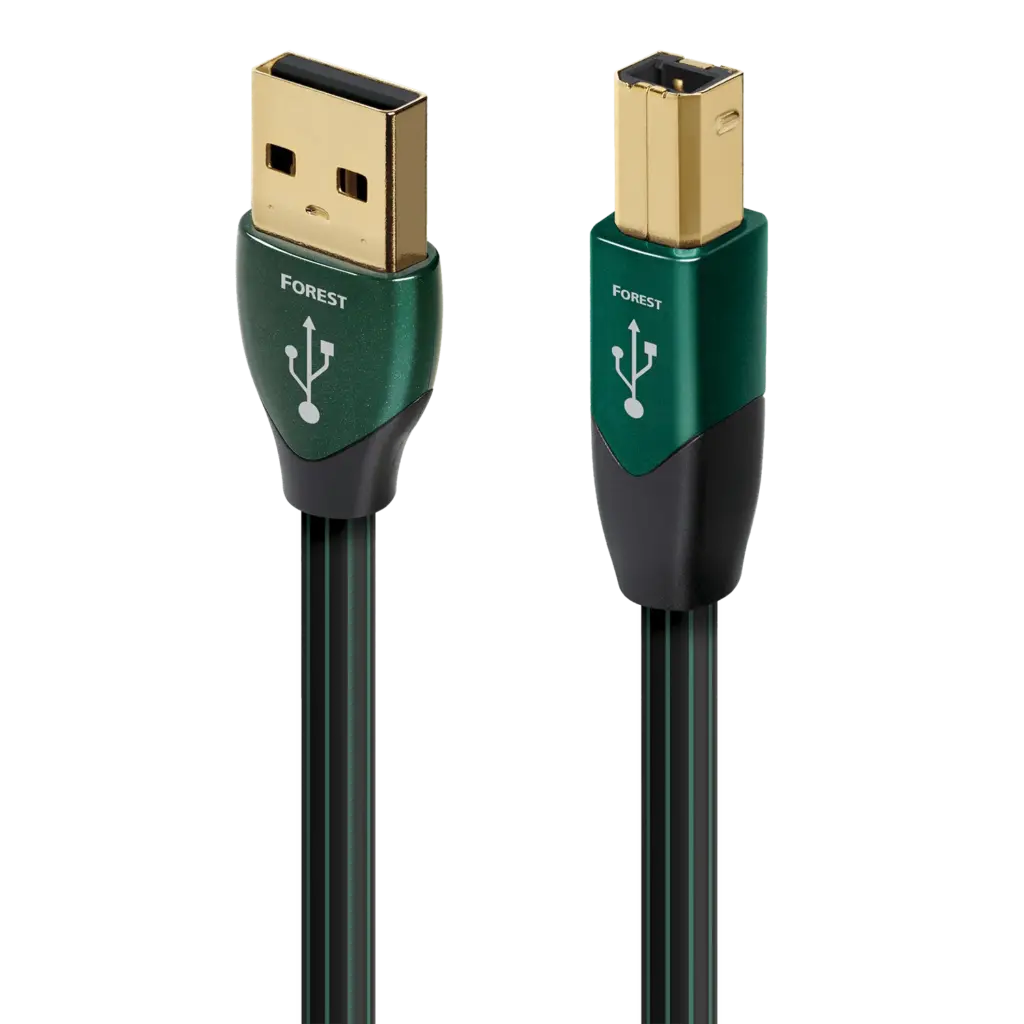
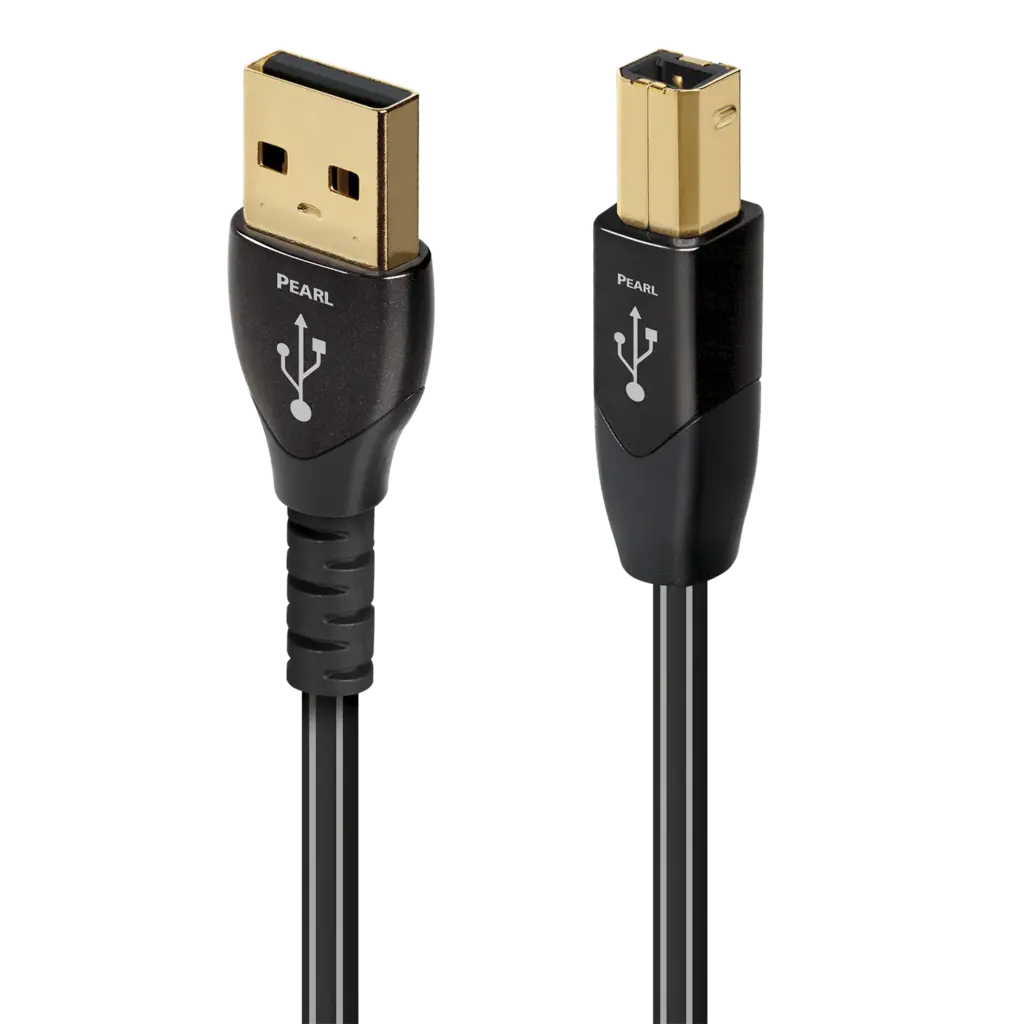
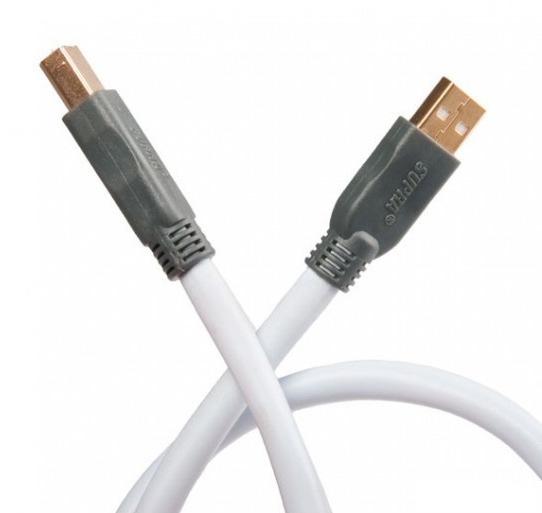
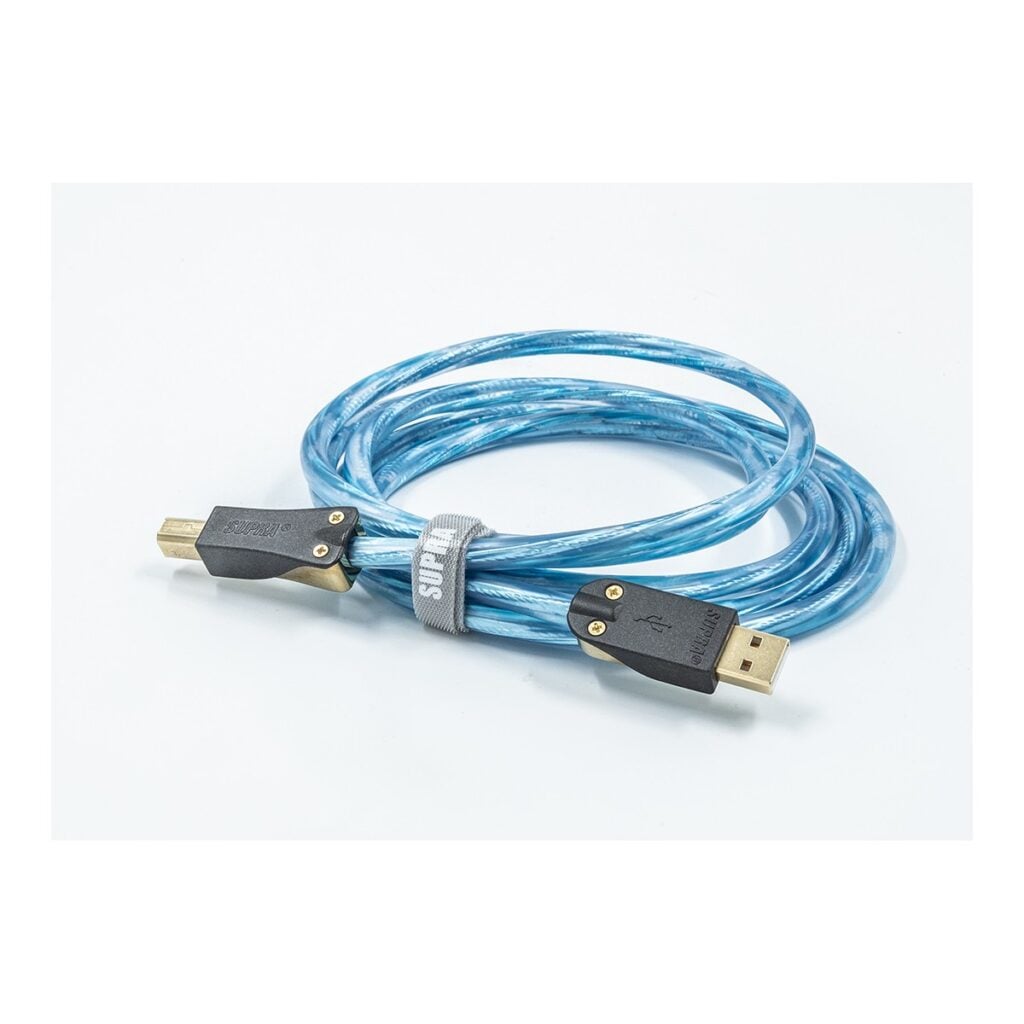
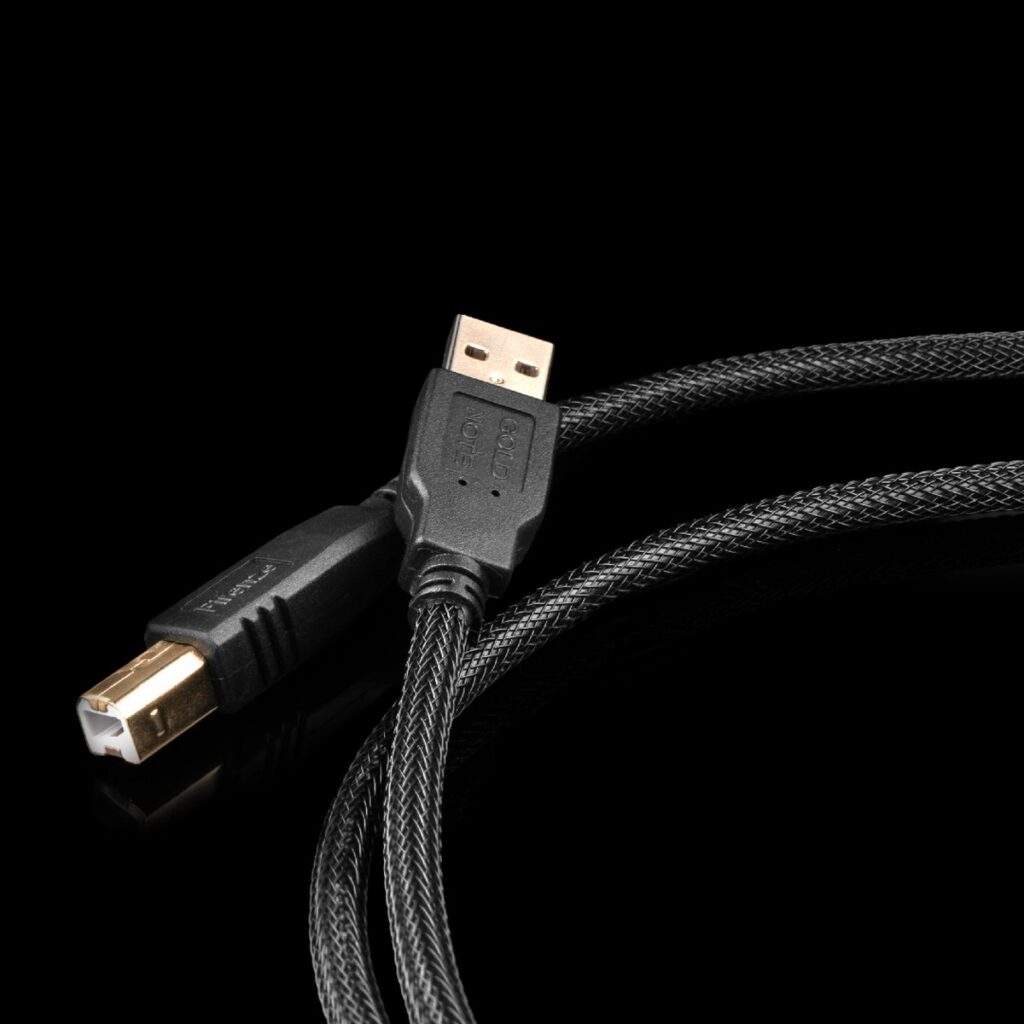
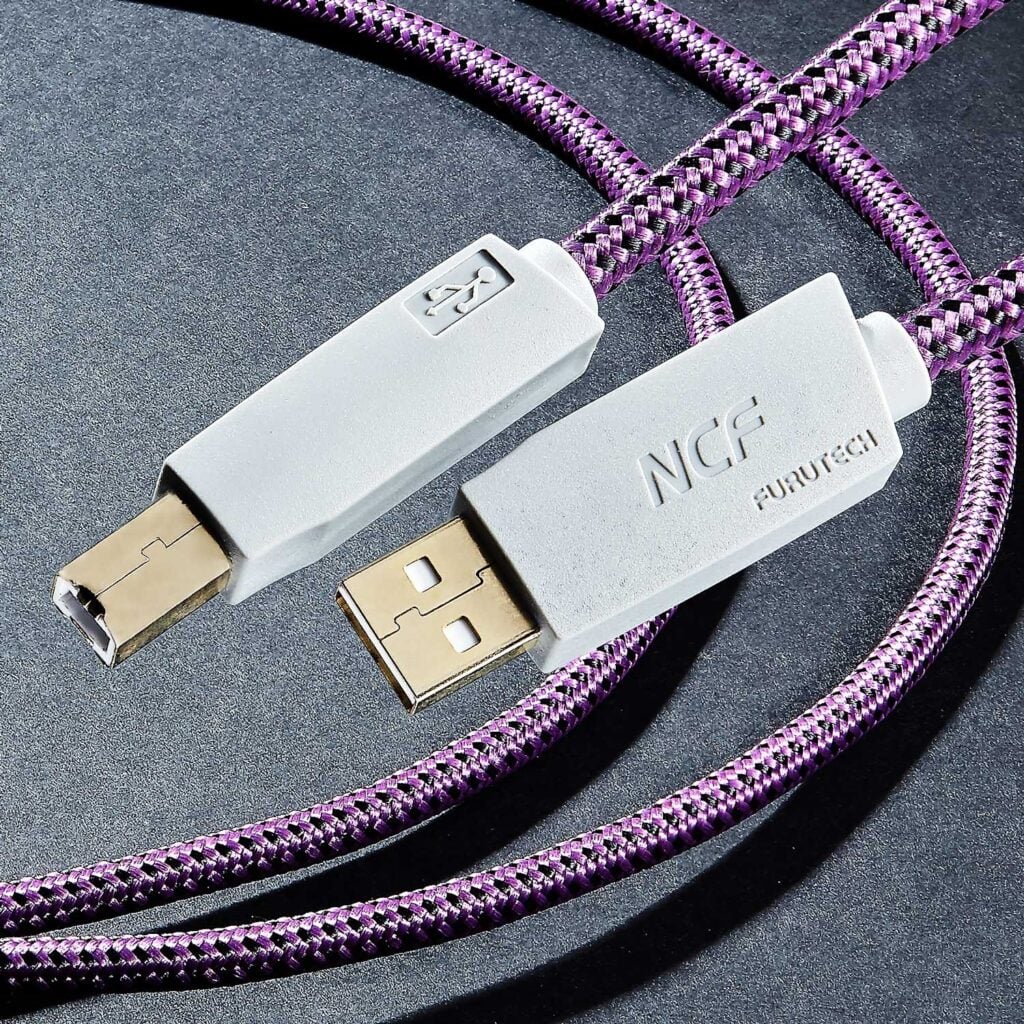
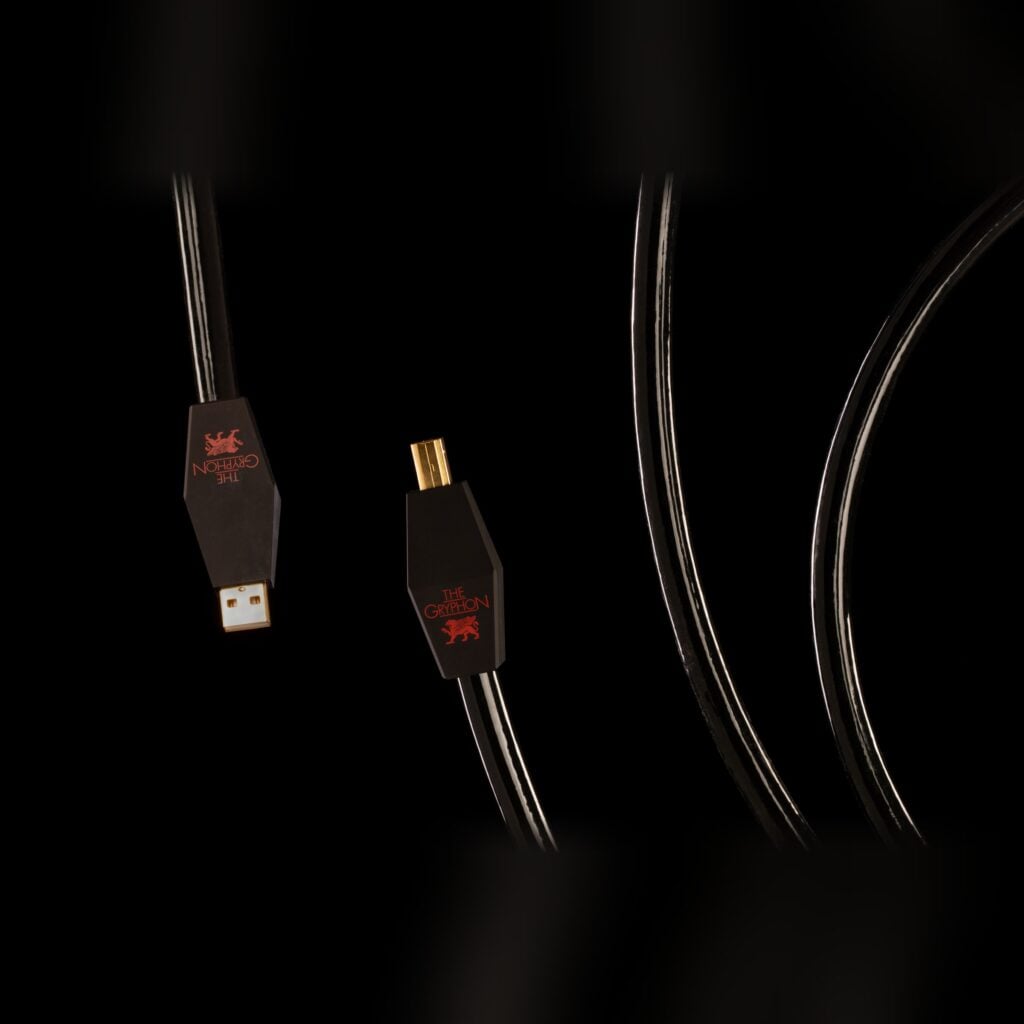
On the digital front, the Forest Coax and Cinnamon Coax coaxial cables, the Pearl Optical optical cable and the Pearl and Forest USB-A to B USB cables are available. For power, there are the NRG-X3, NRG-Y2 and NRG-Y3 cables and the PowerQuest 2 and PowerQuest 3 filtered power strips. The offer is completed by the Silver Anti-Static Record Brush and the Perch Headphone Stand.
The most sensible criterion is proportion: the cable should be chosen in relation to the value and resolution of the components it connects. In a mid-range system, a Chicago or Red River between the source and amplifier and a Rocket 11 or 22 to the speakers are a balanced starting point; the Mackenzie and Rocket 33s make more sense when the rest of the chain is able to show the differences. If the components allow it, the balanced XLR connection is preferable for long runs.
Before working on signal cables, it's a good idea to consider the power supply: a PowerQuest power strip protects your devices and reduces network interference, benefiting the entire system. For digital connections, the length and type of available port are more important than the model.
In the listening room of our Carpi showroom, you can compare cables for your system and get advice on matching them. Cables and accessories can also be ordered online at audiocostruzioni.com with shipping, and if you have any questions about lengths and connectors, you can ask us for advice via email. We'll also consider trading in your current components.