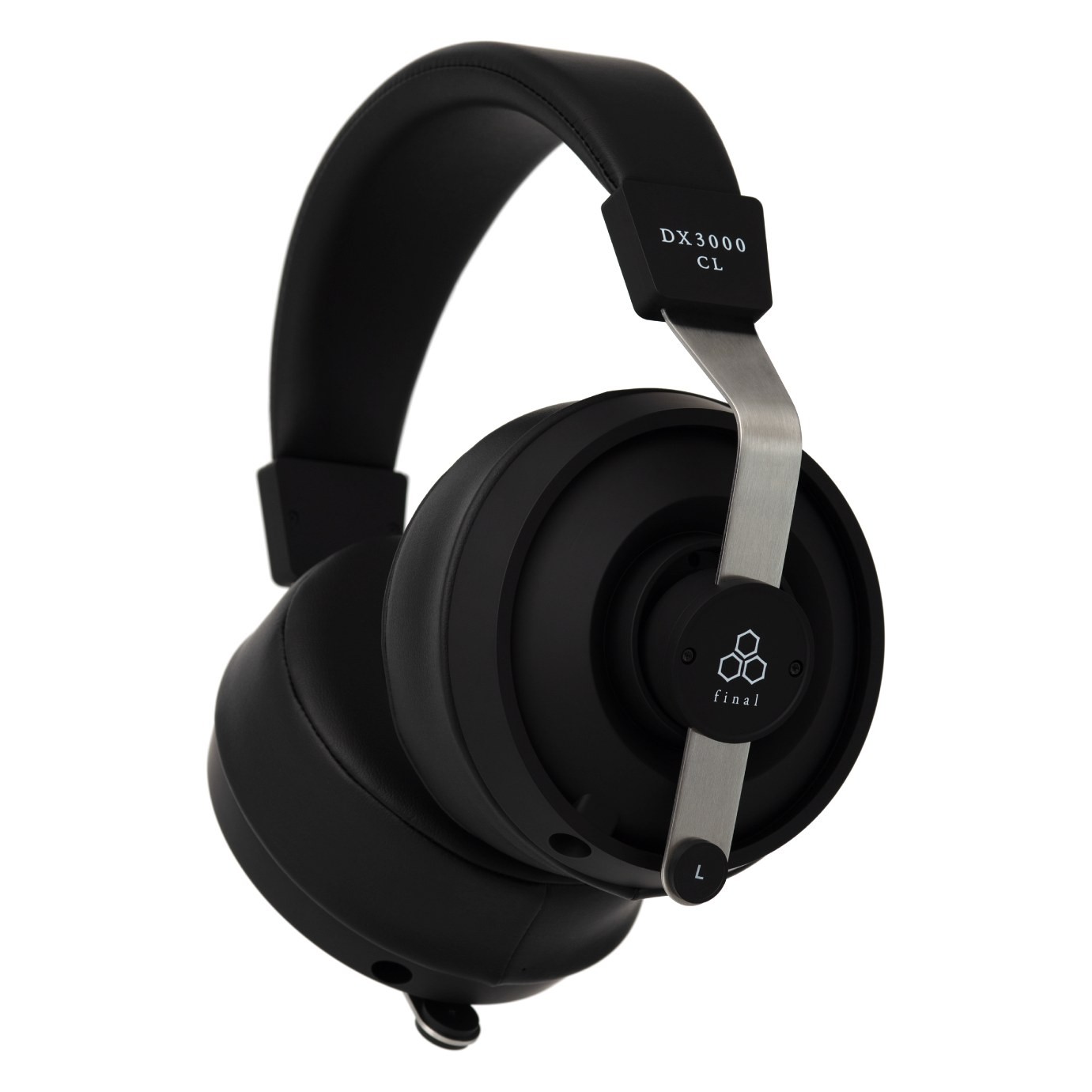
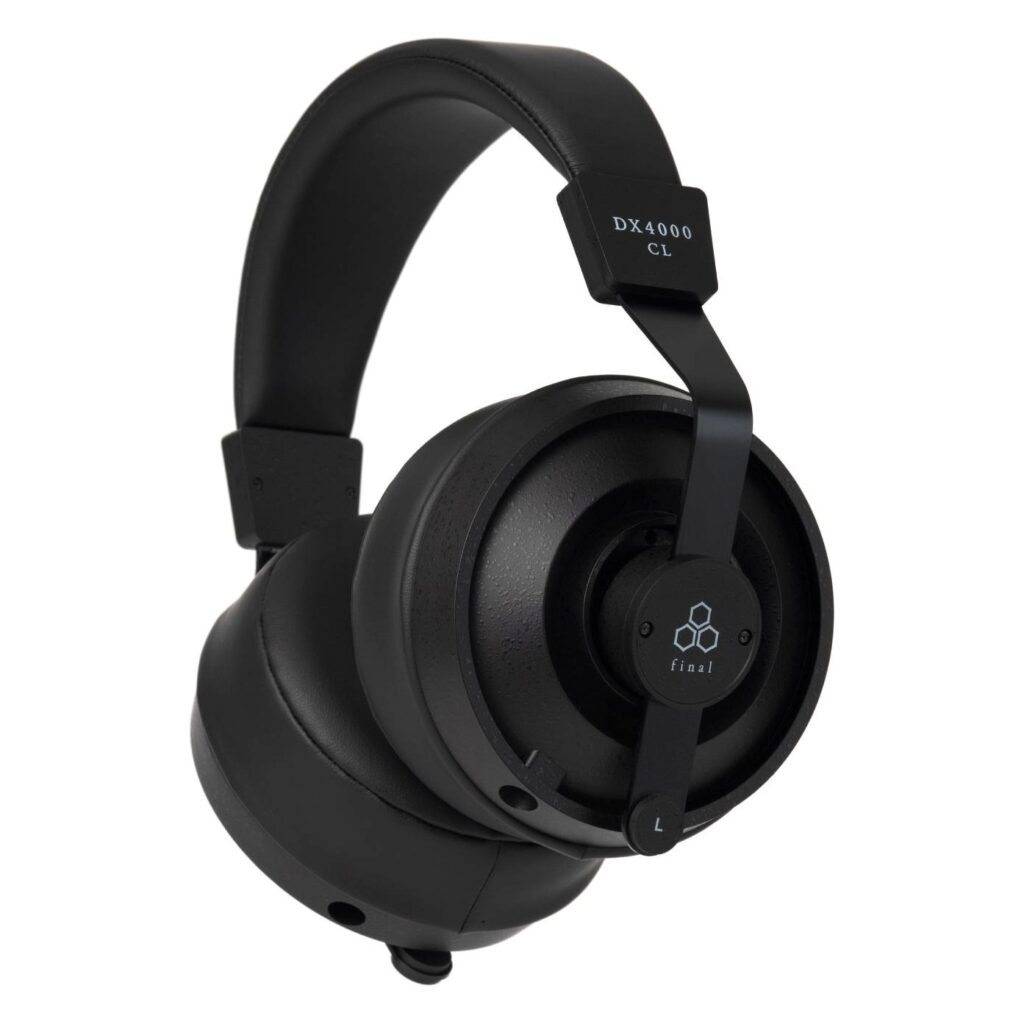
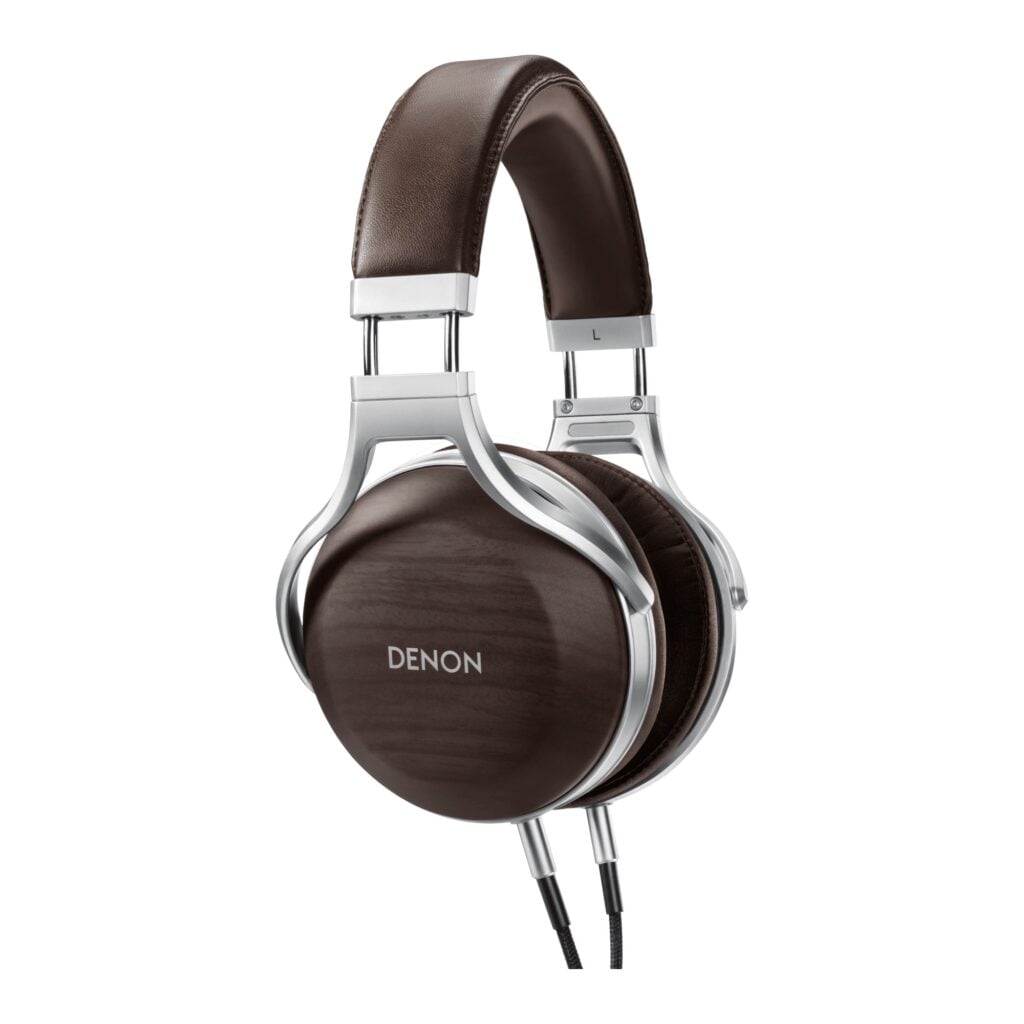
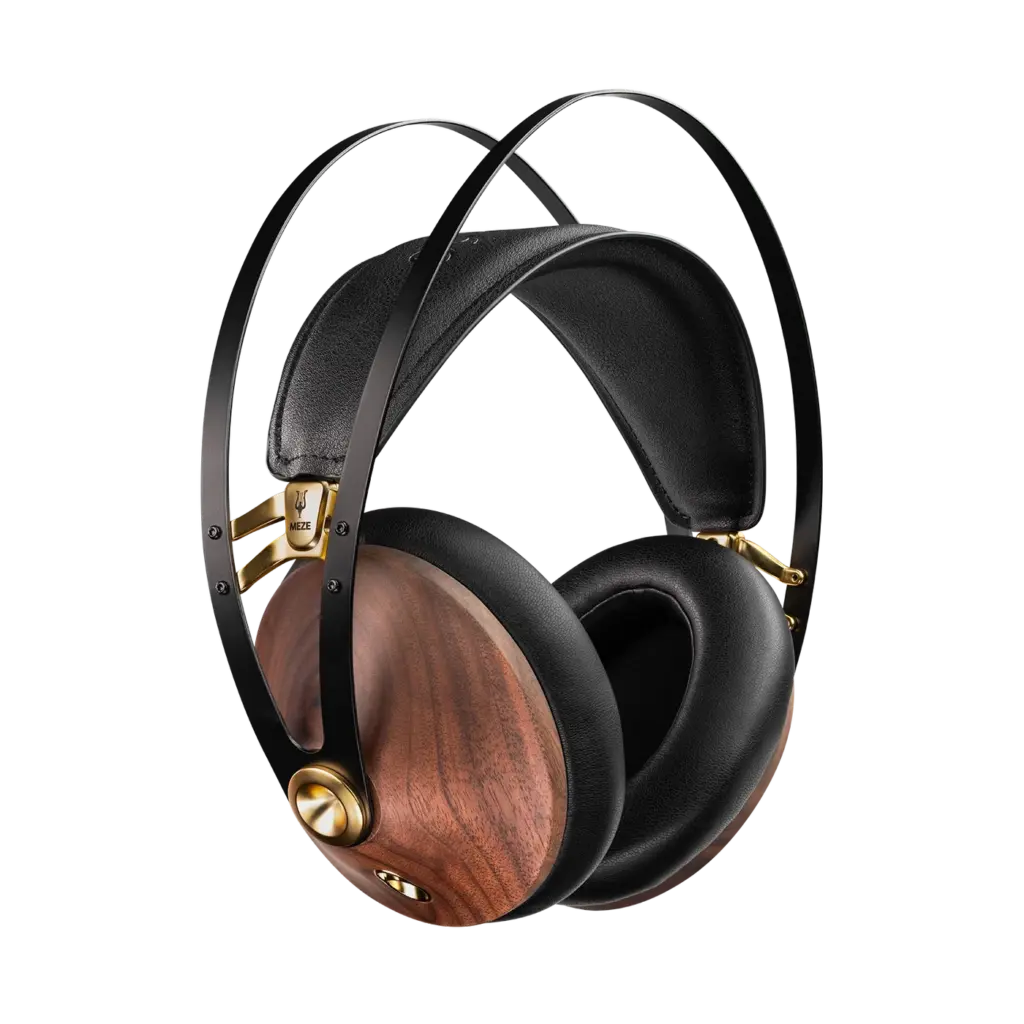
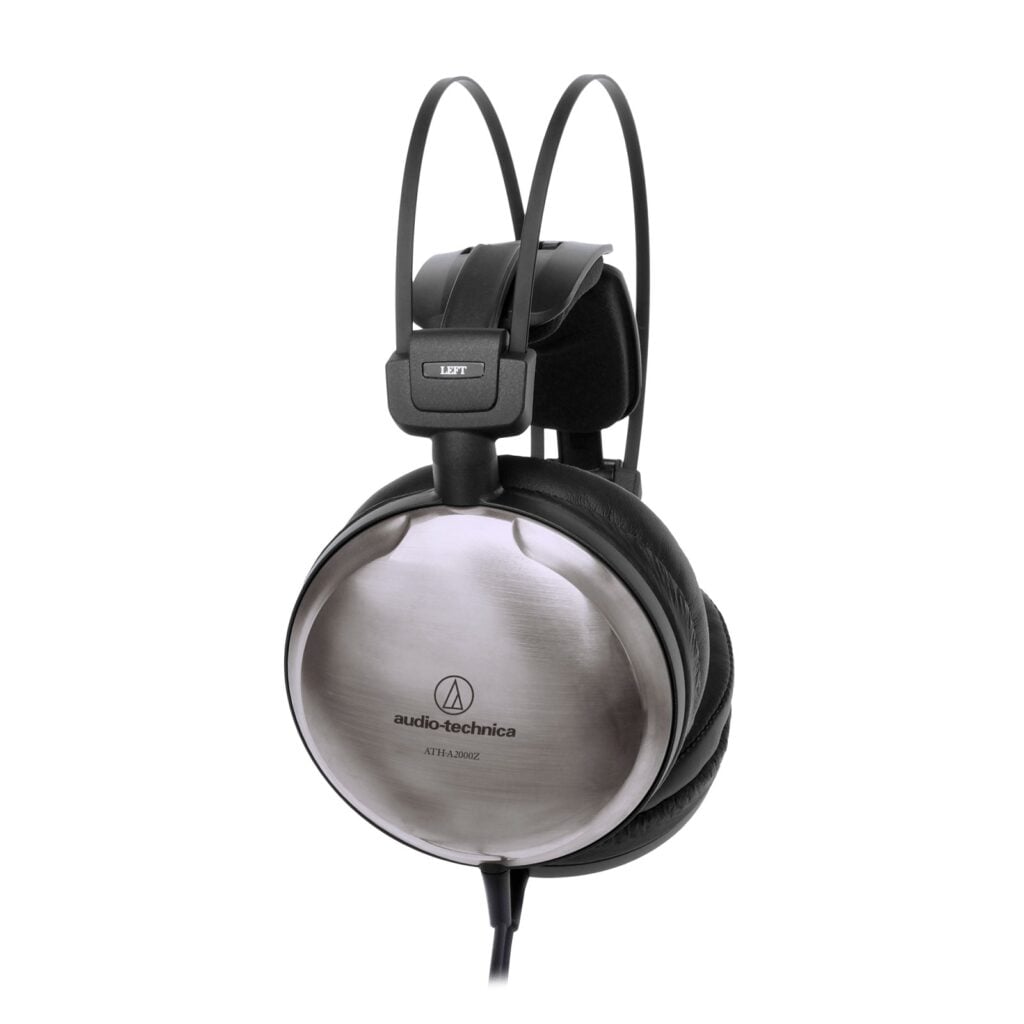
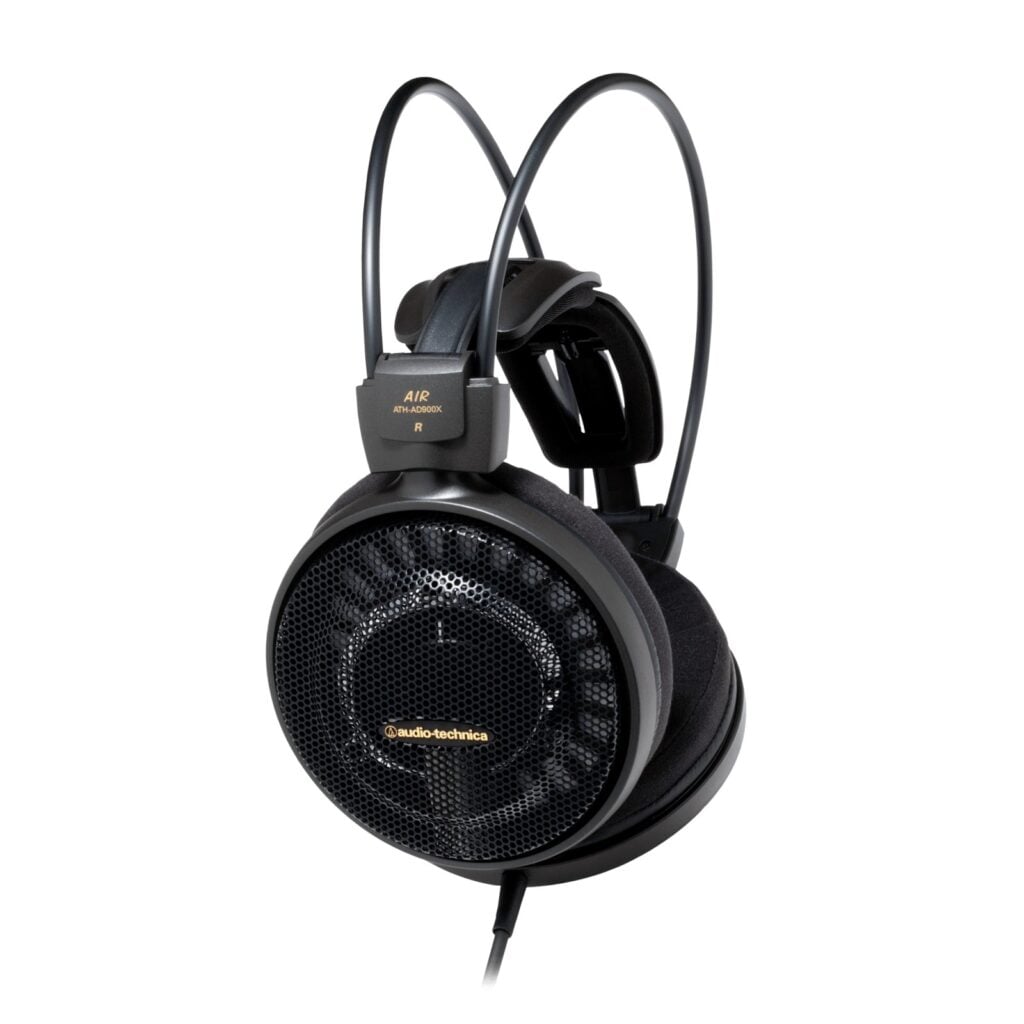
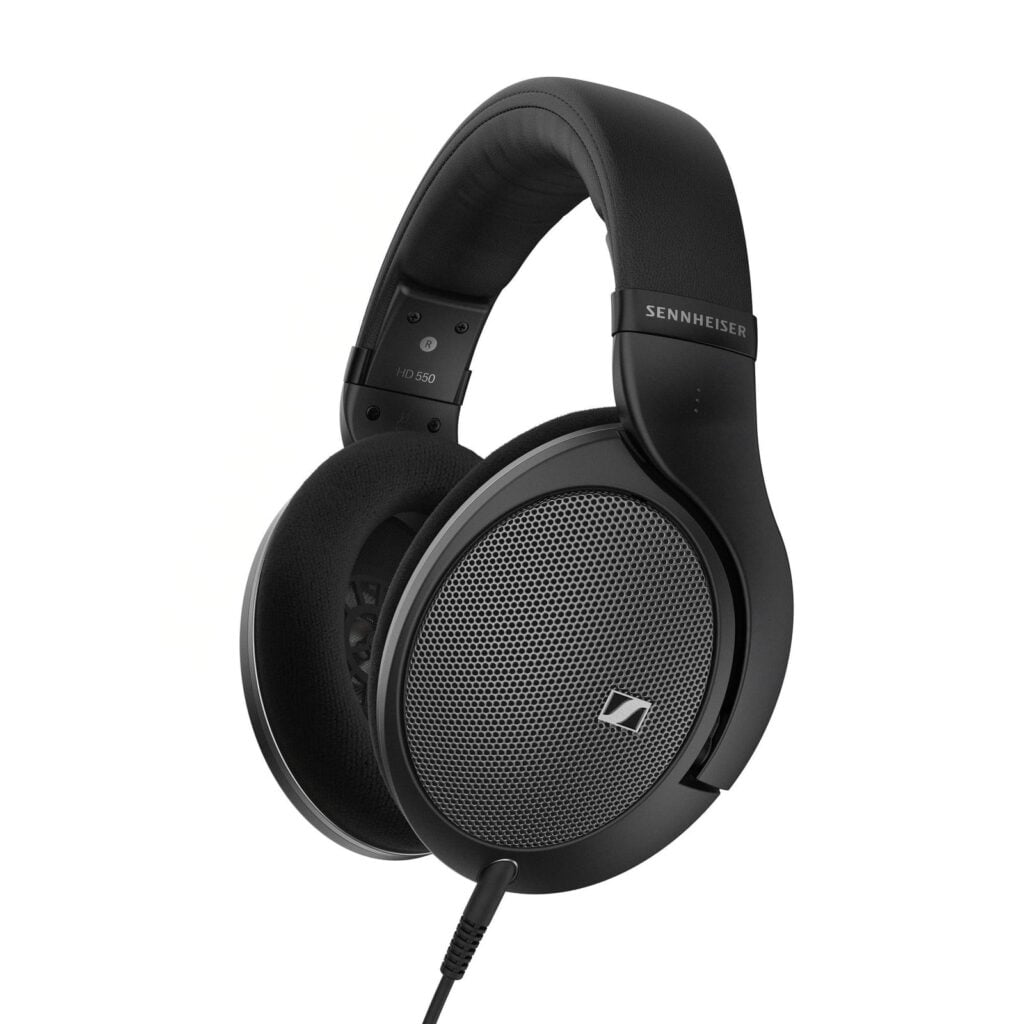
The DX3000 CL power amps are the first closed-back model in the DX series, the line of hi-fi headphones with which the Japanese manufacturer has built its reputation in home listening. At the heart of the design is a 40 mm dynamic driver with a washi paper and carbon fiber composite diaphragm, developed and assembled in Japan. Washi is a traditional long-fiber paper, highly effective at damping resonances: combined with the carbon and the free-edge surround structure , in which the diaphragm is not constrained by a traditional suspension, it delivers fast transients and a warm, organic timbre.
The typical limitation of closed-back headphones is well-known: the internal acoustic pressure inflates the bass and blocks out the soundstage. Here, the low-frequency reinforcement starts around 200 Hz, so the sound remains full but vocals remain prominent and the mids aren't drowned out. The 30 mm memory foam earcups covered in synthetic leather help maintain the acoustic seal while keeping the earcup at an appropriate distance from the ear: passive isolation without the "boxy" effect.
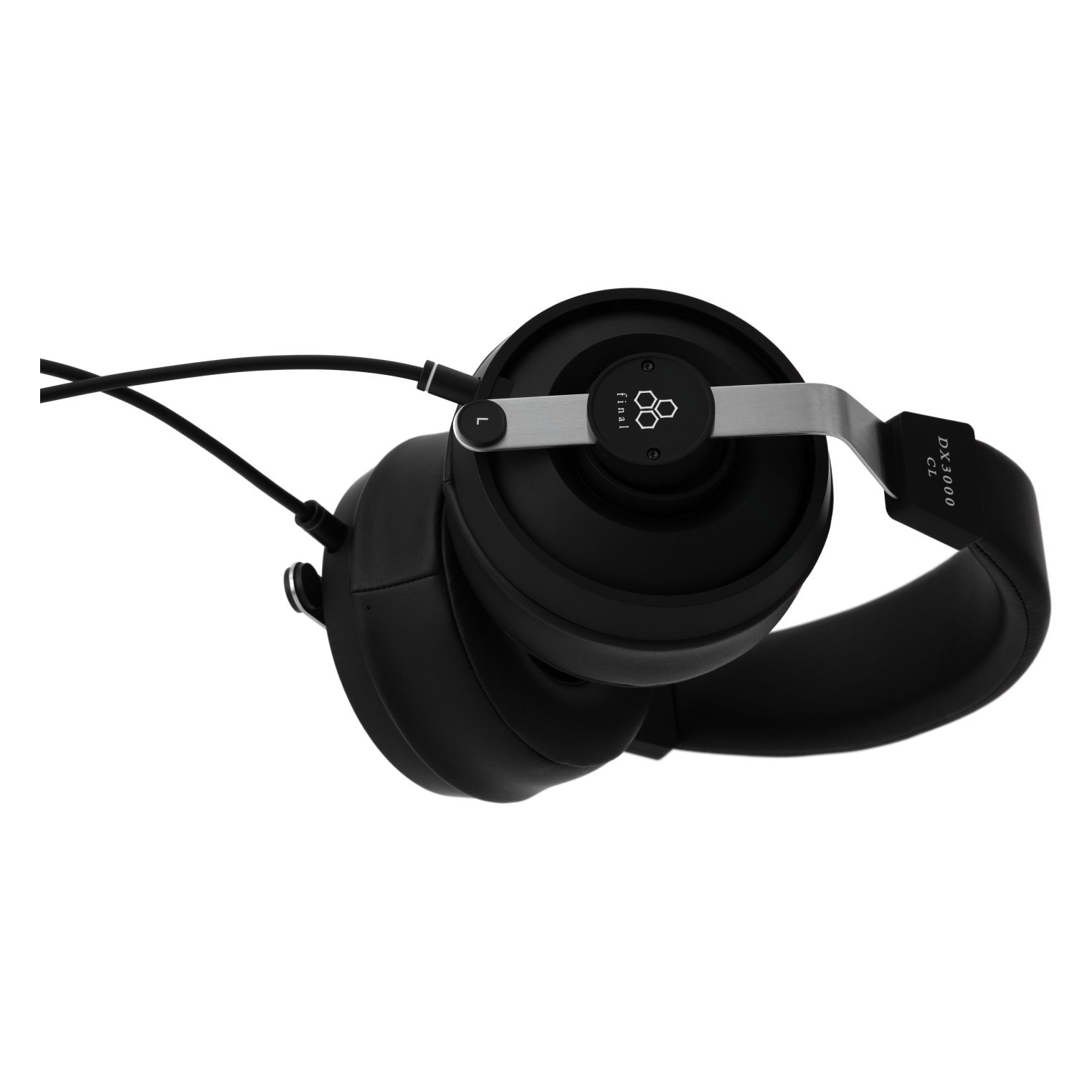
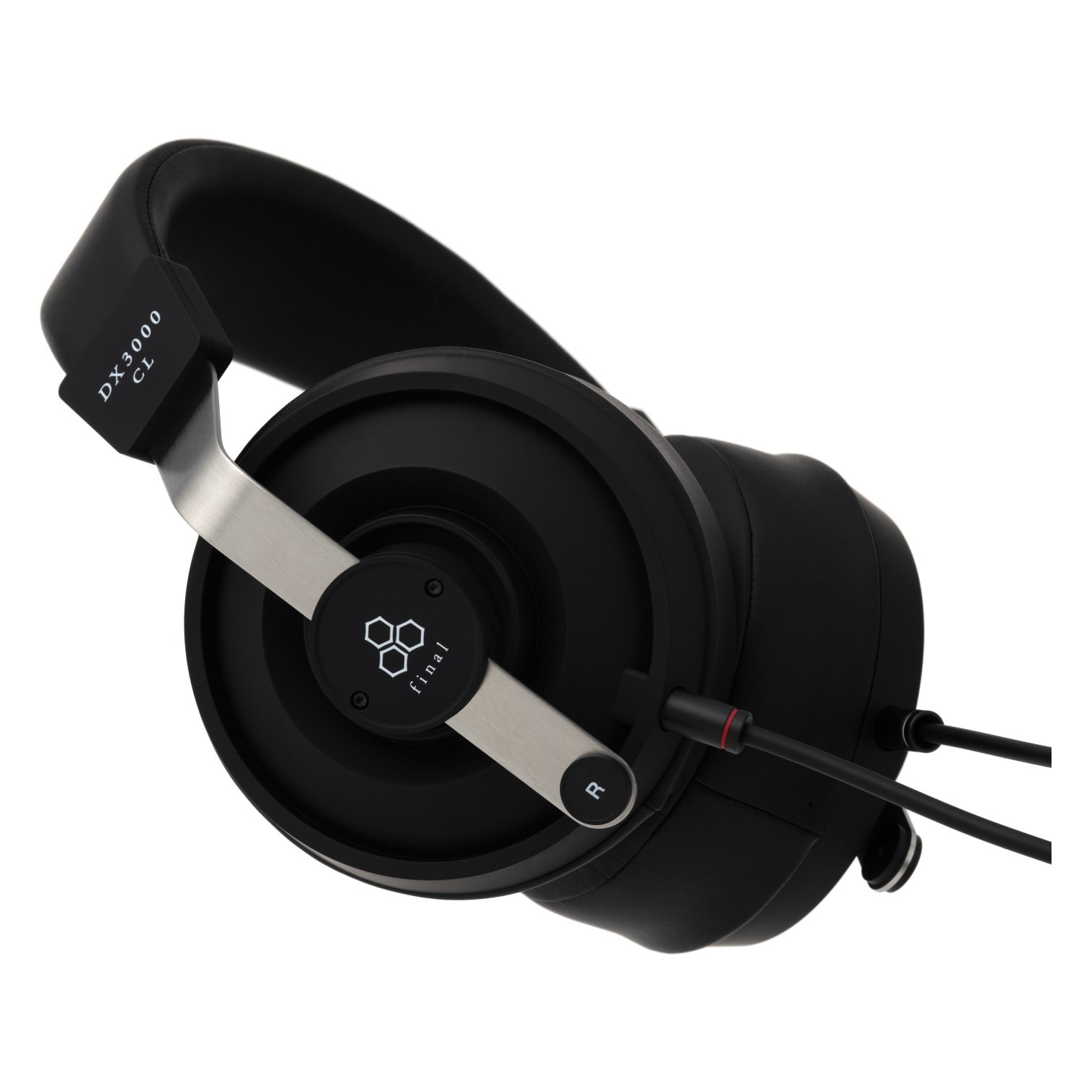
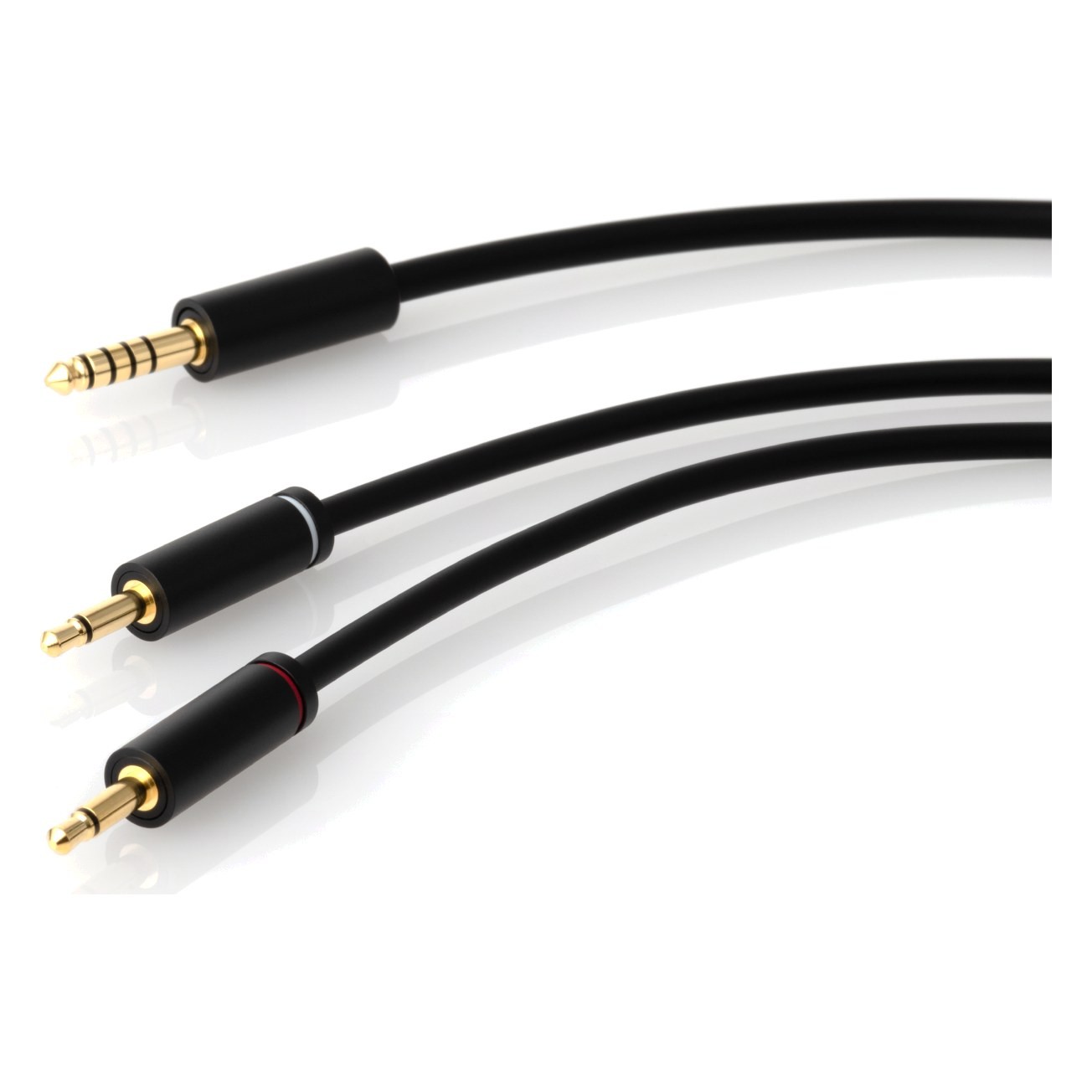
With 37 ohms of impedance and 96 dB/mW of sensitivity, the DX3000 CL don't require extreme amplification: a good headphone amplifier or a desktop DAC/amp will take them to high listening levels with headroom, and even a quality DAP will remain manageable. The detachable 2-meter OFC cable terminates in a 4,4 mm balanced jack —the format now standard on modern hi-fi sources—and the included 6,3 mm adapter allows connection to traditional amplifiers. The recurring question is: what amplifier do you need for the DX3000 CL closed-back headphones? In practice, any headphone output from a hi-fi integrated amplifier or a desktop USB DAC will suffice, while the balanced output rewards dynamics and separation.
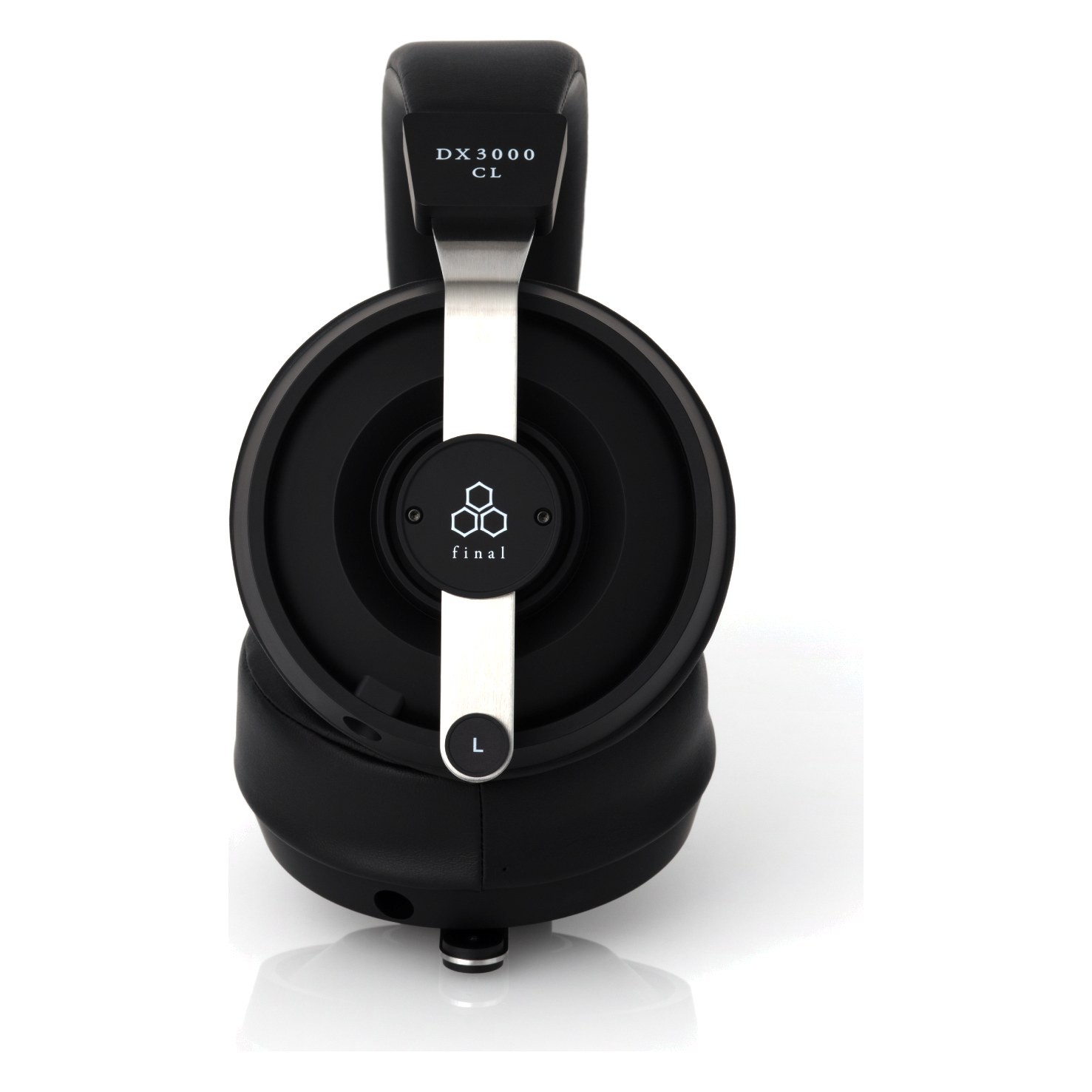
The fiberglass-reinforced resin body, metal joints, and a weight of 410 grams balance robustness and comfort for long sessions. Assembly is noteworthy: the earcups are assembled with O-rings and precision screws, with minimal adhesive, and the earpads are replaceable without tools. This design choice is geared toward long-term repairability, a rare feature in this price range. Ideal use: home headphone listening in shared environments, where sound leakage must be minimized, and desktop setups with a dedicated streamer, DAC, or amplifier.