






About the brand
The Marantz story begins in New York in the early 1950s, when Saul Marantz built the Audio Consolette in his home in Kew Gardens, Queens: a preamplifier with equalizer curves for record listening. Demand was such that he founded the company in 1953, with a factory in Queens, and transformed that project into the Model 1. In 1964, Marantz sold the company to Superscope; in 1980, the brand outside the United States and Canada was sold to Philips, which also acquired the North American rights in 1992.
In 2001, the brand returned to Marantz Japan and the following year merged with Denon in the D&M Holdings group, which became part of Sound United in 2017. In September 2025, Sound United was acquired by Harman International, a Samsung Group company. High-end models such as the Model 30 amplifier and the 30n SACD player are built at the Shirakawa factory in Japan, and the sound tuning of the devices is performed by Sound Master Yoshinori Ogata.
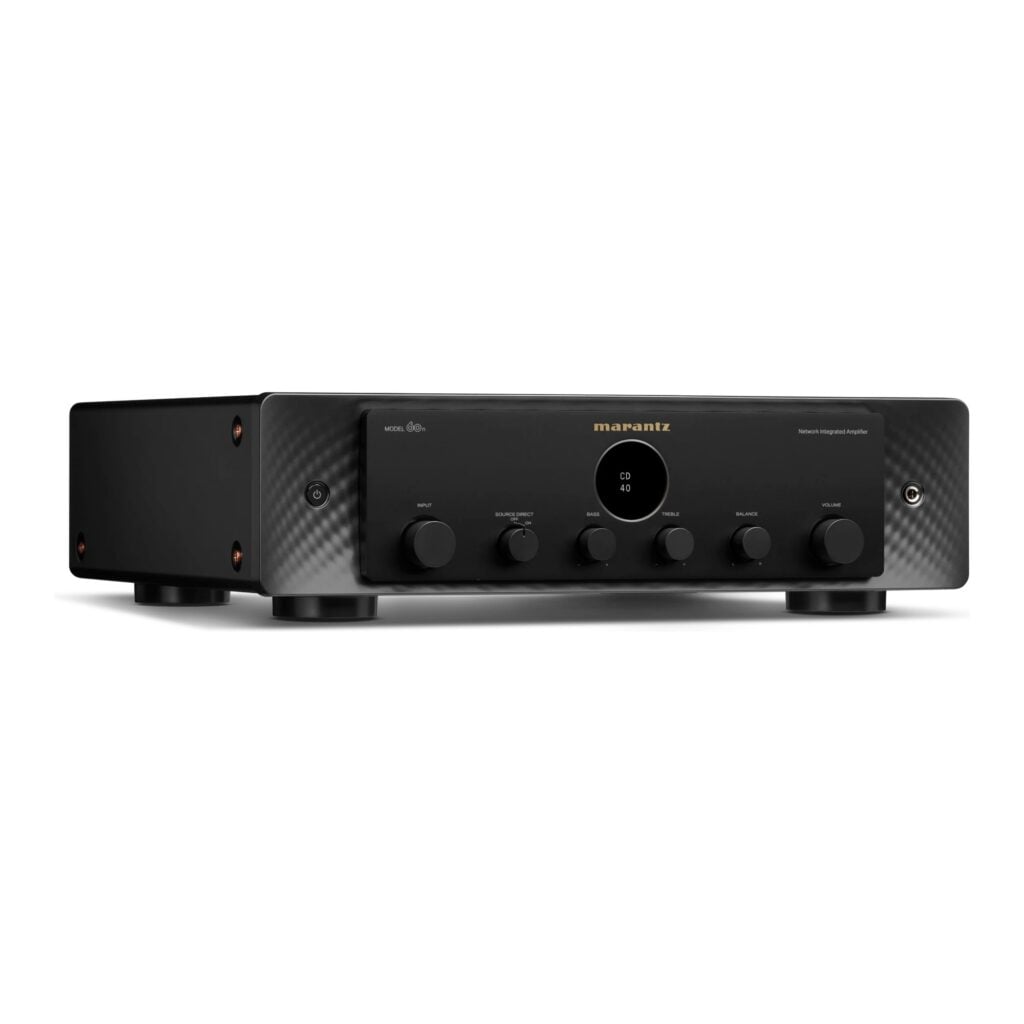
Recurring technical solutions include HDAM (Hyper Dynamic Amplifier Module), the amplification stages developed by Marantz, present for example in the Model 60n, and current feedback amplification, also adopted by the new Model 70. However, there is no single recipe: the Model 40n and Model 50 operate in class AB, while the Model 30 and the compact Model M1 use class D amplifiers. On network devices, streaming is via the HEOS platform.
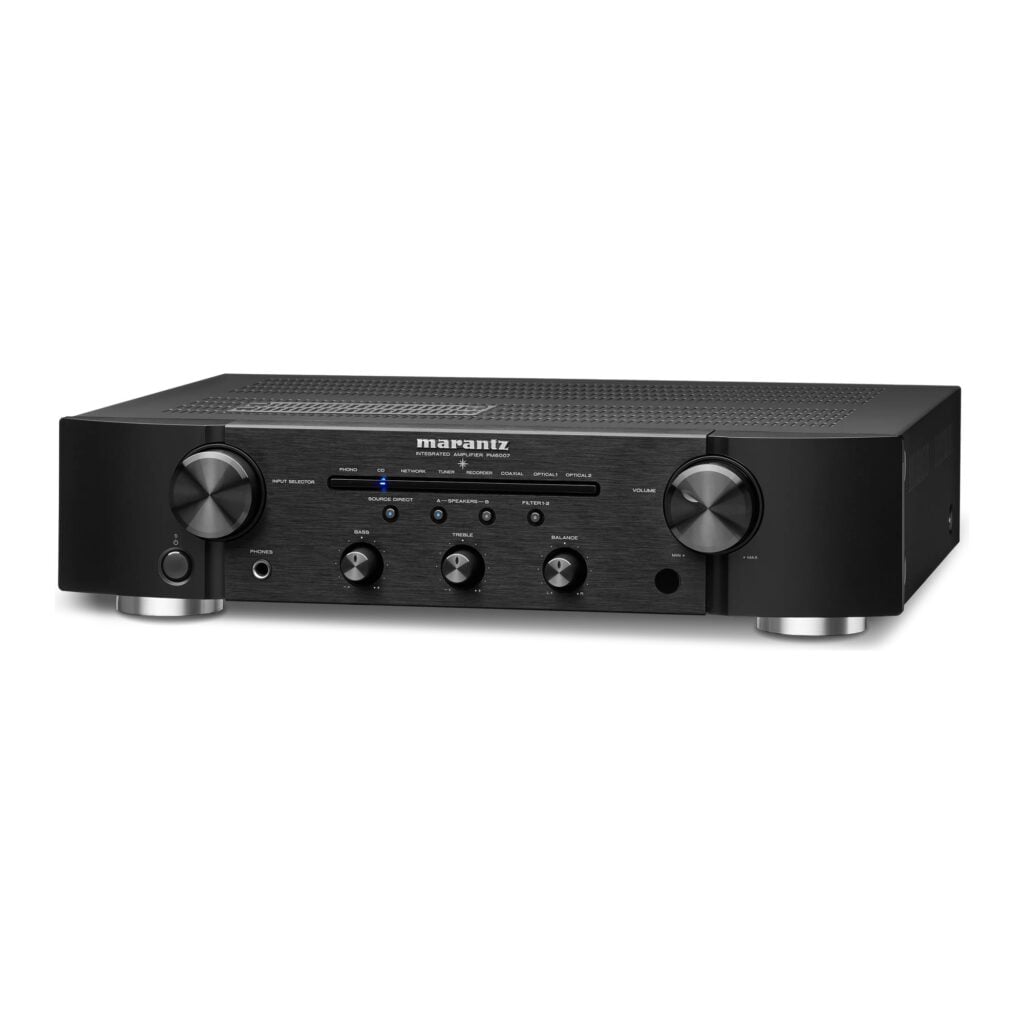
For sale are the PM6007, Model 70, Model 50, Model 40n, Model 60n, and Model 30 integrated amplifiers, along with the CD 70, CD 60, CD 50n (a combination CD player and streamer), and SACD 30n players. For those looking for a compact system, there's the Model M1, the MCR 60n DAB, and the Stereo 70s stereo receiver; for audio distributed across multiple rooms, there's the Model M4. Completing the offering are the TT-15S1 turntable, the Horizon and Grand Horizon wireless speakers—the brand's first wireless speakers—and the Cinema series audio-video receivers.
If the system also needs to serve a TV, the Model M1 has an HDMI eARC input, the Model 40n adds HDMI ARC and a moving magnet phono stage to a traditional integrated amplifier, while the Stereo 70s, with six HDMI inputs and FM/DAB+ radio, remains a true stereo system. Those looking for an analog-only amplifier will find the Model 50 with 70 watts per channel, a moving magnet phono stage, and no digital circuitry, a choice made by Marantz for ease of use.
For streaming music, the Model 60n and Model 40n have built-in HEOS streaming; those who still listen to optical discs will find the SACD 30n a natural companion to the Model 30. The TT-15S1 comes with the Clearaudio Virtuoso moving magnet cartridge, so it connects directly to any MM input, including that of the Model 50 and Model 40n. The Model M4, with four HEOS modules and eight 100W channels, serves up to four rooms, each with its own music.
In our showroom in Carpi, you can listen to Marantz equipment in the listening room, compare it with your speakers, and get advice on matching it. The same models can be ordered online at audiocostruzioni.com with shipping; if you're unsure which one to choose, email us describing your system and listening environment.
FAQ
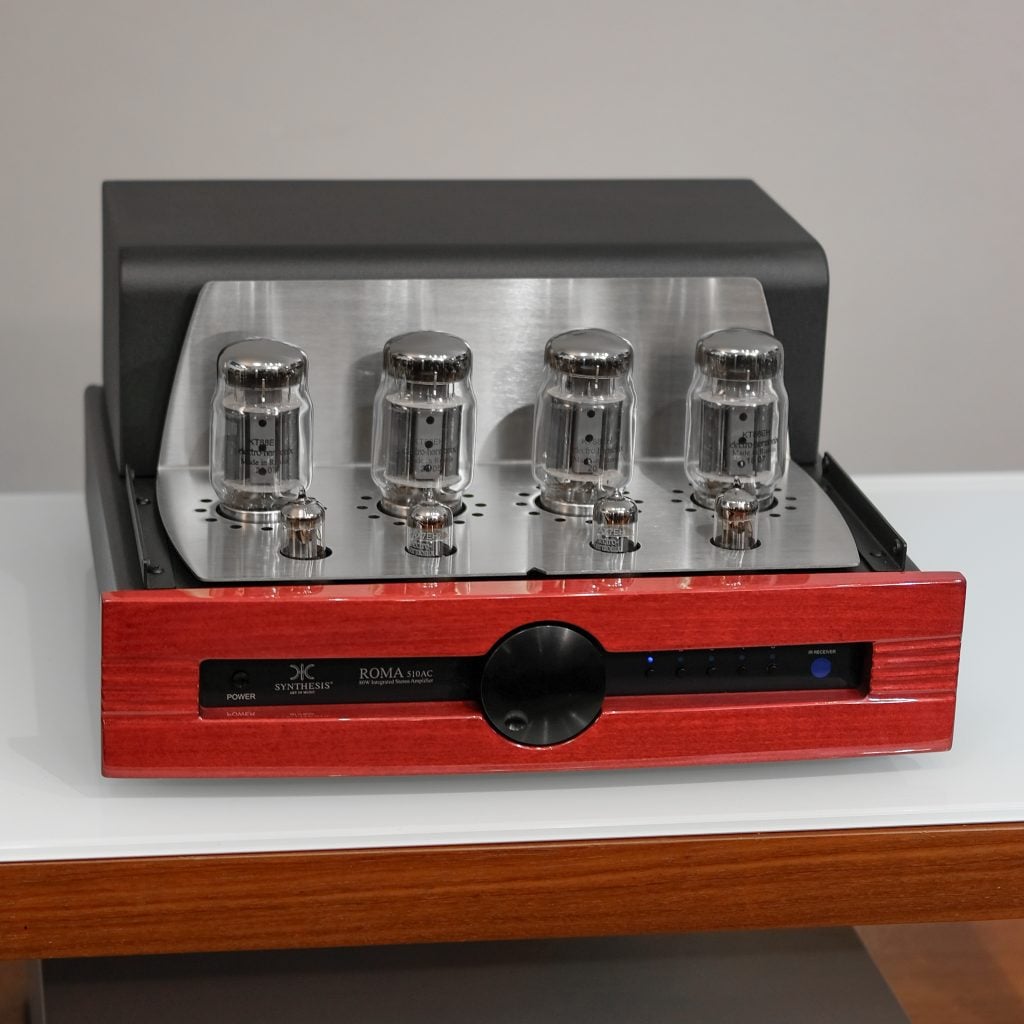
This product is in the Archive section and is no longer available for sale. Visit our catalog to discover current models or contact us for personalized advice on a similar product.
When a model goes out of production, is sold permanently, or is no longer available from our suppliers, we move it to the Archive section. We maintain the page online for informational purposes: users and collectors can continue to consult specifications, descriptions, and reference images.
Probably. Visit our product catalog to discover equivalent models currently on sale: you can filter by category, brand, and price range to find the best alternative for your system.
We do not carry used or vintage products. To discover currently available alternatives, click the "Go to catalog" button at the top right of the page, or go directly to our product catalog to browse the models for sale.
We do not directly handle technical assistance or spare parts. On our support page , you'll find tables with direct contact information for service centers and specialized repairers: you can contact them directly to discuss repairs or spare parts availability.