JBL was founded in 1946 in Los Angeles by James Bullough Lansing, an engineer and speaker designer, after leaving Altec Lansing. After his death in 1949, the company was led by William Thomas, who shortened the name to JBL; in 1969, it was acquired by Sidney Harman, co-founder of Harman Kardon. Harman International has been part of Samsung Electronics since 2017. The American brand operates in both professional audio and home hi-fi.
From the professional world, JBL has brought compression drivers combined with horns and waveguides into the home. In the 4300 Series monitors, the compression driver works with the patented HDI (High-Definition Imaging) horn. The 4367 is the most complete example: a 15-inch 2216Nd dual-coil woofer, derived from the M2 studio monitor, and the 3-inch D2430K dual-annular diaphragm compression driver, mounted on the HDI horn, with a declared sensitivity of 94 dB.
The Studio Monitors range includes the passive 4309, 4349, and 4367 models, and the active 4305P and 4329P speakers. The Classic Series echoes the aesthetics of the historic models: the L100 Classic MkII, inspired by the L100 Century from the 1970s, features a 25mm titanium dome tweeter, a revised crossover with user-adjustable midrange and treble attenuators, and dual binding posts for bi-wiring and bi-amping. It also features the L82 Classic MkII, the L52 Classic, the L10cs subwoofer, and the L42ms, an integrated music system with streaming and HDMI ARC input. The MP350 Classic streamer, Roon Ready and compatible with Spotify and Tidal Connect, AirPlay 2, and Chromecast, and the CD350 Classic player complete the lineup.
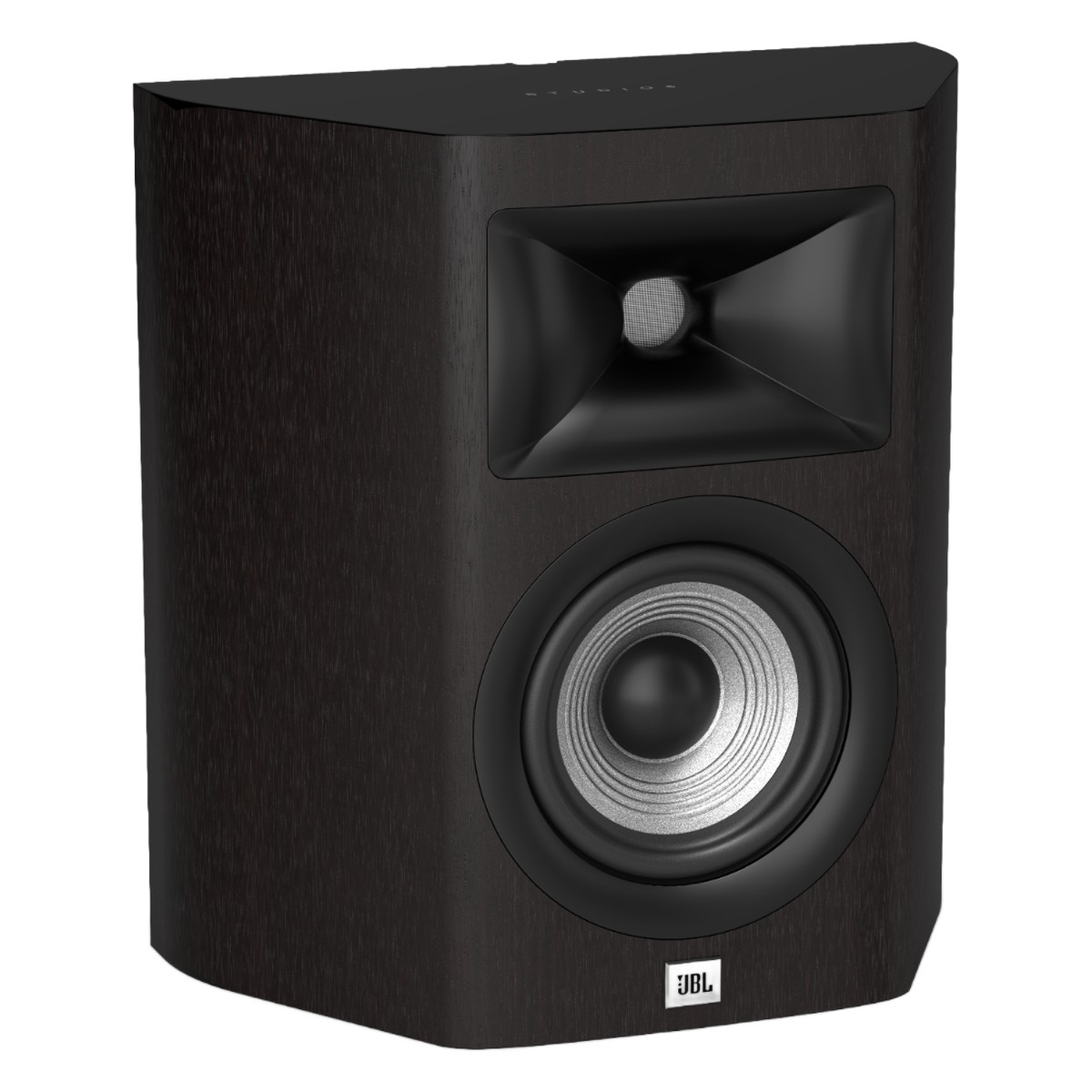
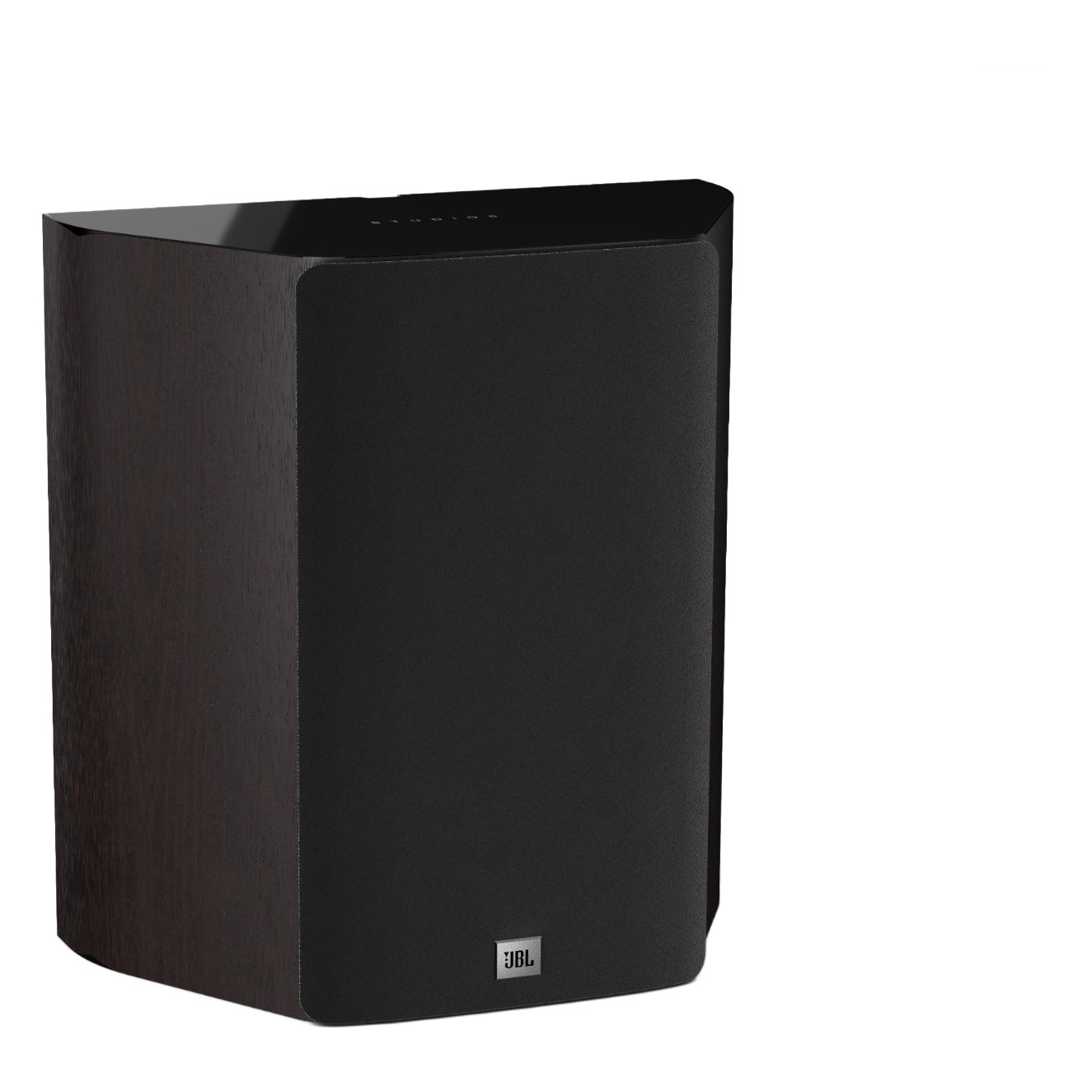
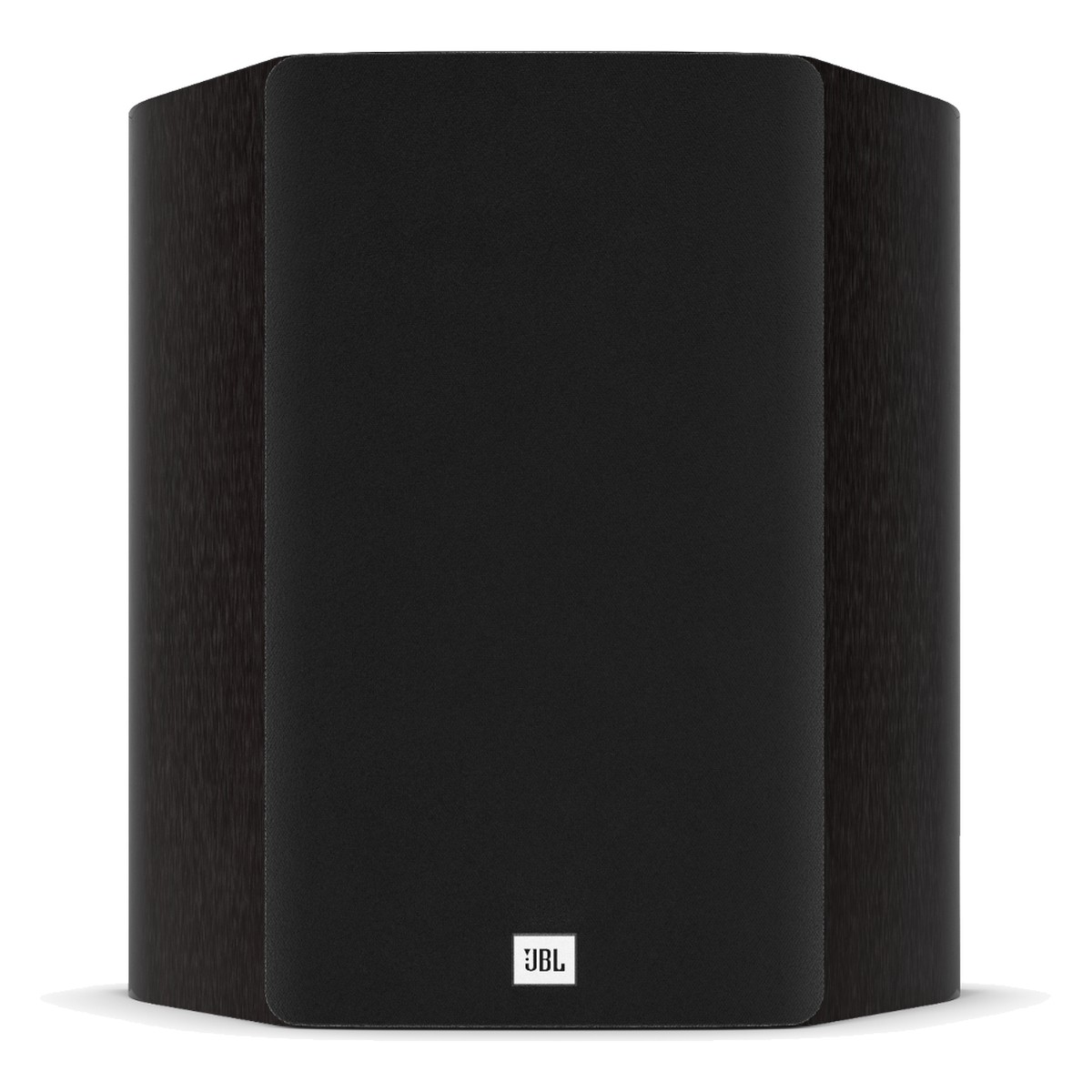
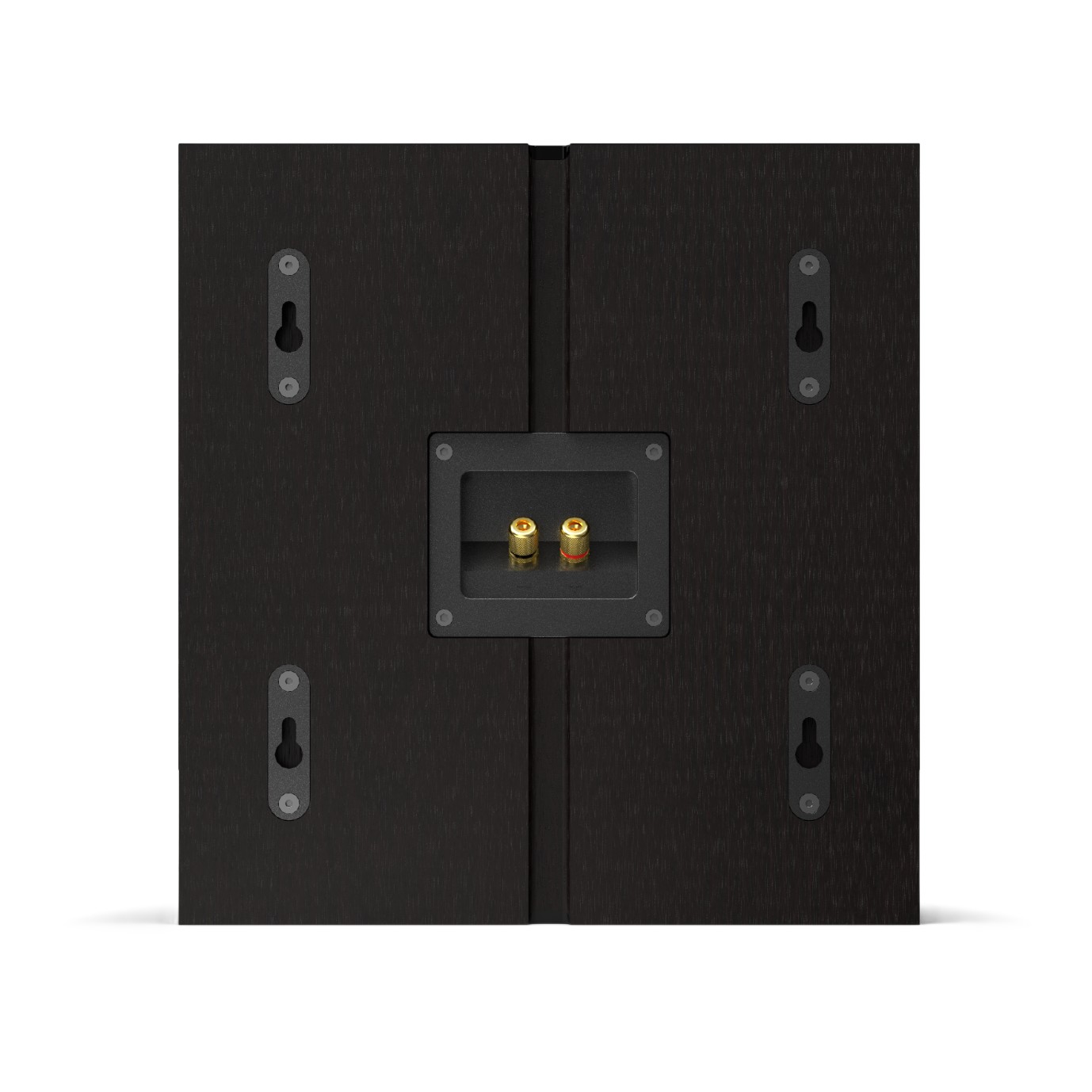
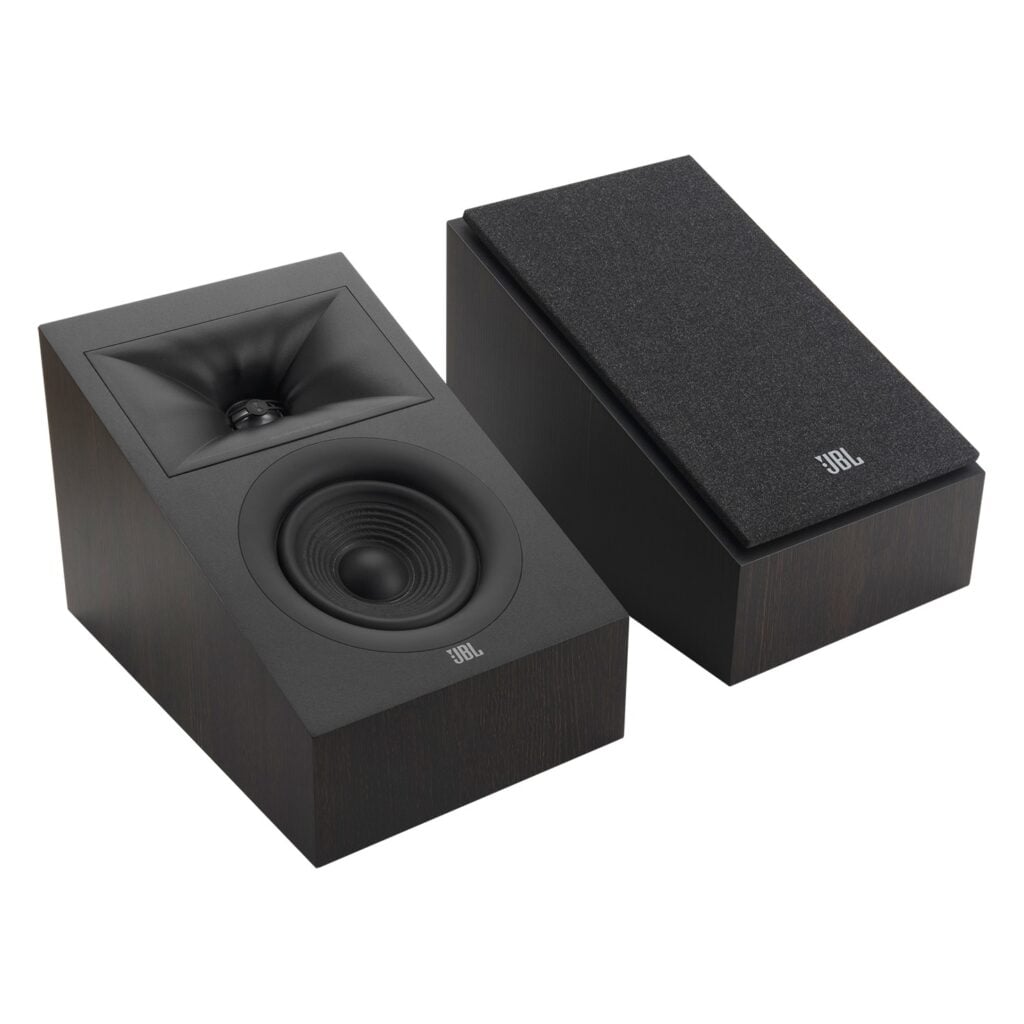
For stereo listening and home theater, there are the Stage 2 and Studio 6 series. In the Stage 2, the 25 mm anodized aluminum dome tweeter operates in a second-generation HDI waveguide; the 260F and 280F towers, with two 6,5-inch and one 8-inch woofers, are ready for Dolby Atmos 240H modules. In the Studio 6, the three-way Studio 698 uses a 1-inch compression driver behind the HDI waveguide. They are driven by the MA series audio-video receivers, from the MA310 to the MA9100HP.
The choice depends primarily on space. In a small or medium-sized room, the 4309 and the L82 Classic MkII are the most manageable monitors, best used on dedicated stands like the JS-80, JS-120, and JS-150. Moving up to the 4349 and the L100 Classic MkII, more space is needed, and the L100's attenuators help adapt the response to the room. The 4367 is designed for large rooms and, thanks to its high sensitivity, can also handle low-power amplifiers.
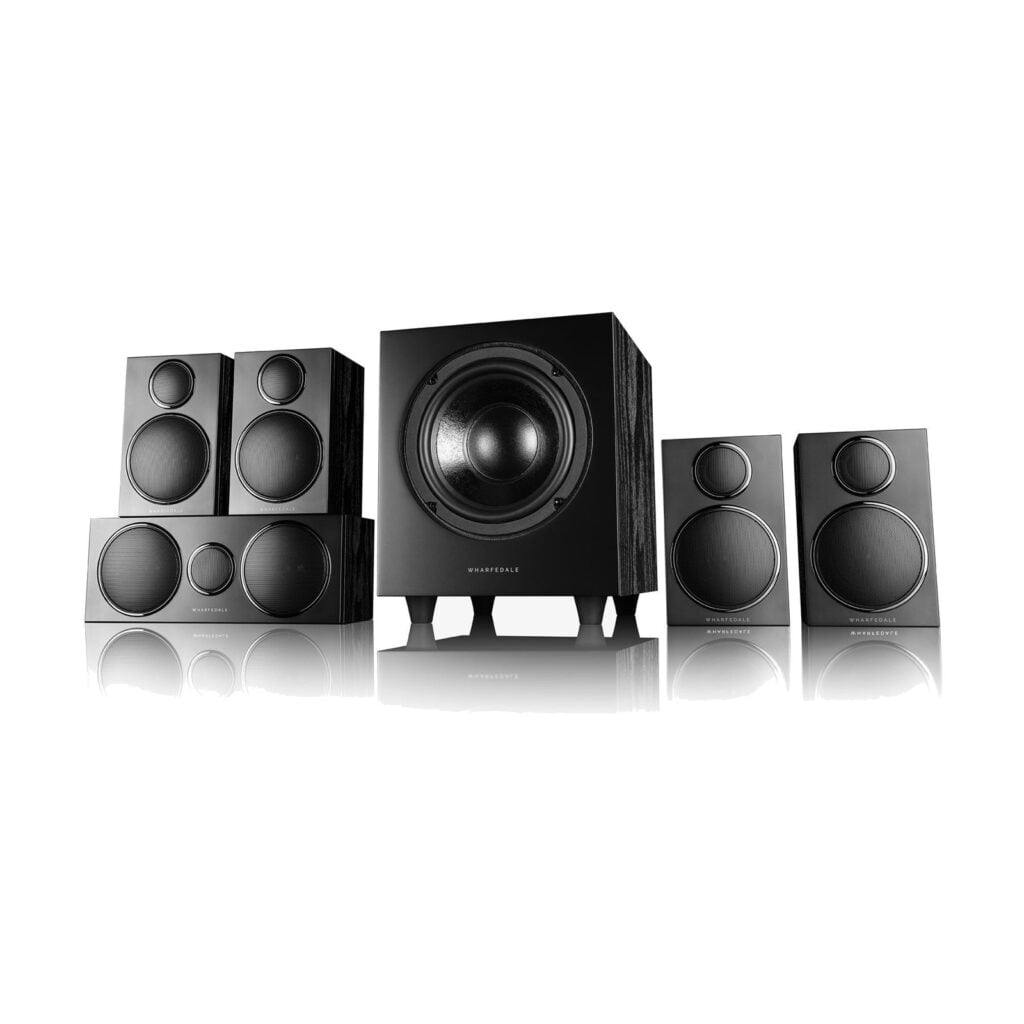
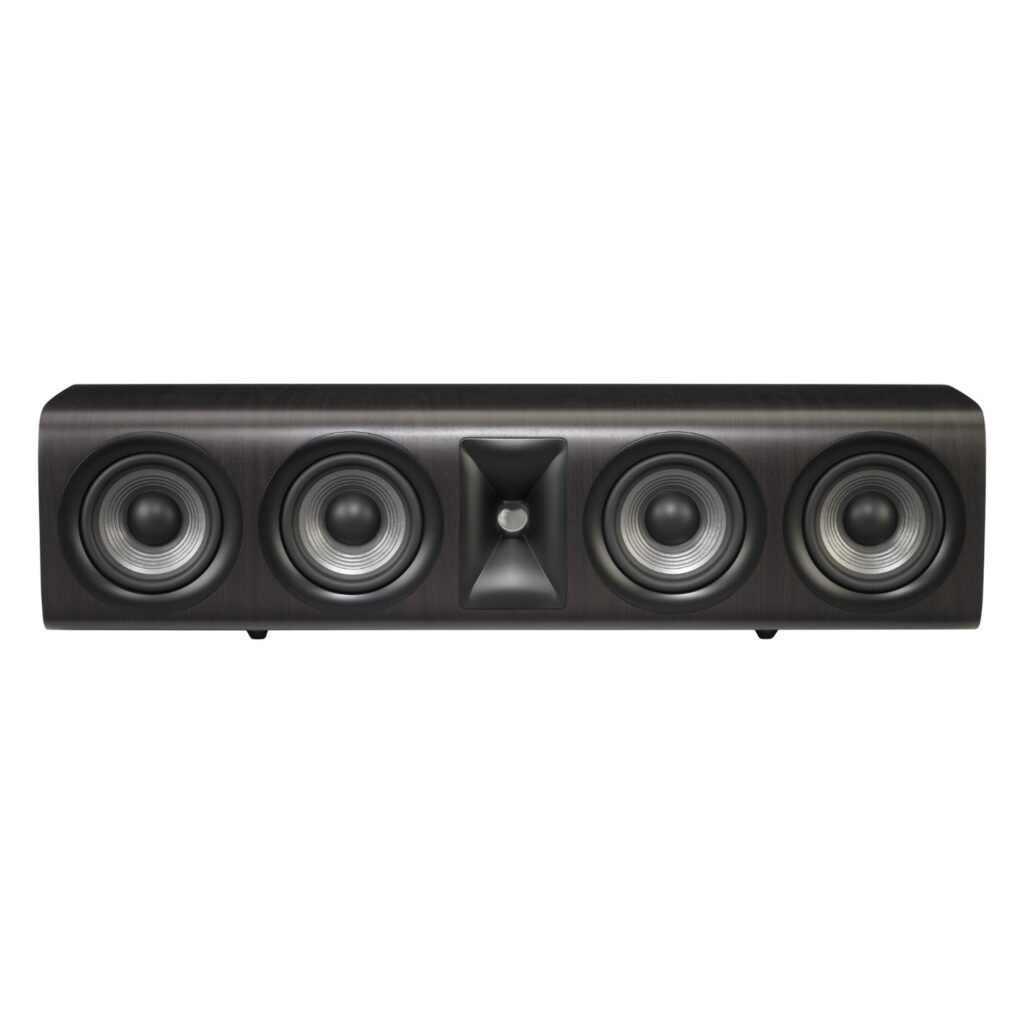
For those seeking simplicity, the 4305P and 4329P offer solutions without an external amplifier; the L42ms, with its HDMI ARC input, can also be connected to a TV. For a multichannel system, it's best to start with a pair of Stage 2 or Studio 6 towers and complete with a center speaker, surround speaker, and subwoofer from the same series, for a coherent sound, connecting everything to an MA receiver.
In our showroom in Carpi, you can listen to JBL speakers in the listening room and receive advice on matching them with your electronics. The same models can be ordered online at audiocostruzioni.com with shipping, asking us for advice first by email if necessary.