





If you're about to buy your first hi-fi amplifier, you've probably stumbled upon the oldest debate in home audio: tubes or solid state? The internet is full of conflicting opinions, forums where discussions are held with almost religious fervor, and reviews that seem to speak different languages. The truth is that both technologies make sense, but for different reasons—and figuring out which is right for you means first understanding what really makes a difference, beyond the clichés.
The Basics: How Tubes and Transistors Work
An amplifier, whatever its technology, does one simple thing: it takes the weak signal coming from the source ( turntable , streamer, CD player) and amplifies it enough to drive the speakers. How it does it changes everything.
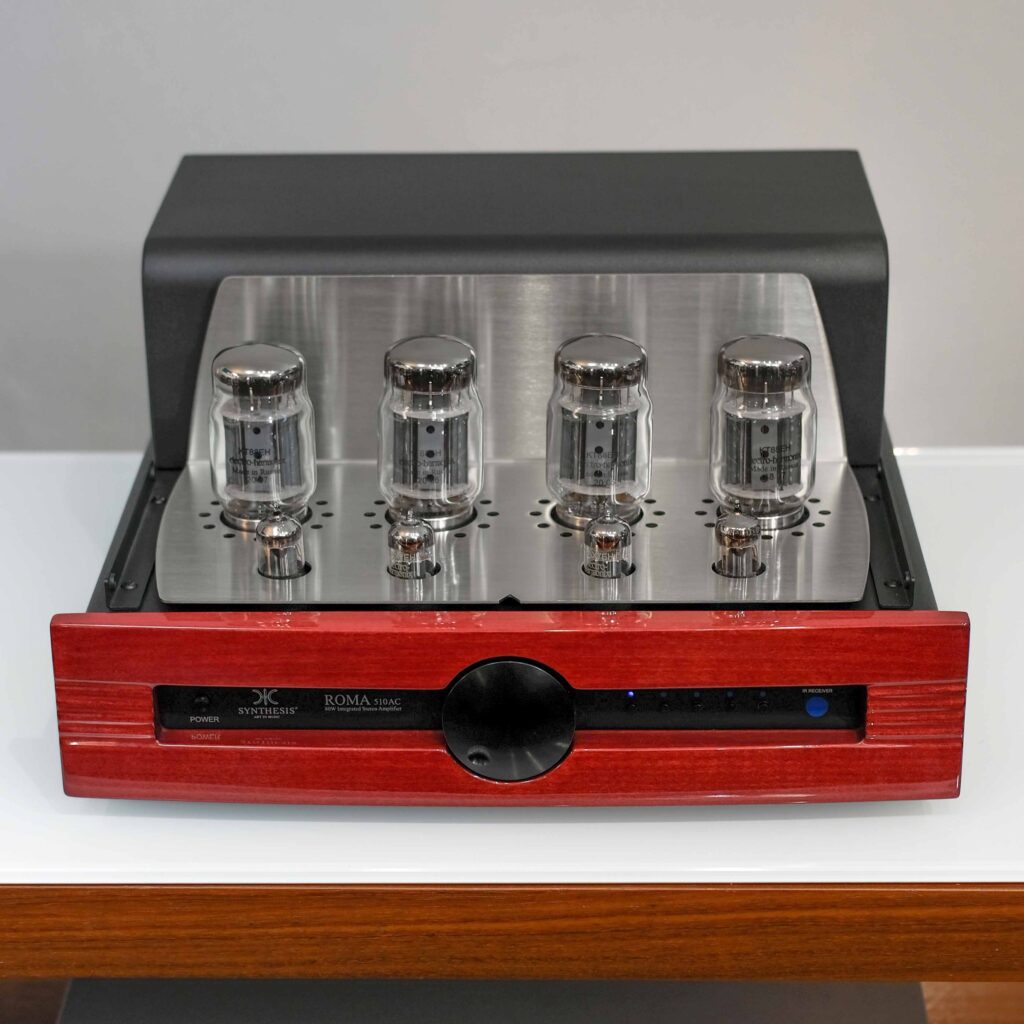
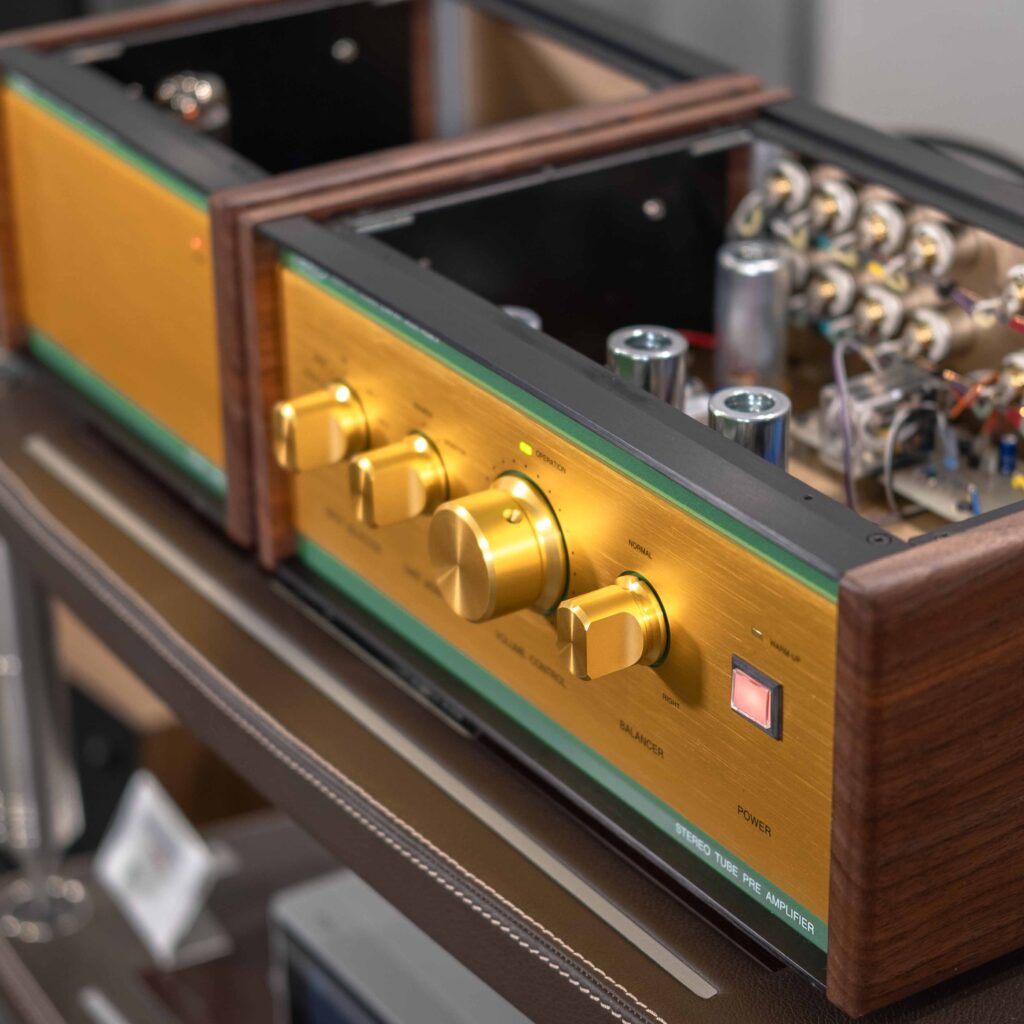
Vacuum tubes are vacuum glass tubes in which a heated filament emits electrons that are modulated by the audio signal. This technology dates back to the 20s, the same one that powered the first radios and hi-fi systems. They operate at high voltages (hundreds of volts), generate heat, and require a few minutes of warm-up time before they sound their best.
Transistors , invented in the 50s and refined over the following decades, are semiconductor components that amplify electrical signals more efficiently, compactly, and stably. They operate at lower voltages, turn on instantly, and dissipate less heat (although Class A power amplifiers can run quite hot).
This gives rise to two design philosophies: those who prefer the near-perfect linearity of modern transistors, and those who seek the character of tubes. Neither is superior in absolute terms—they are different tools for different purposes.
The sound of the tubes: warmth, three-dimensionality, sweetness
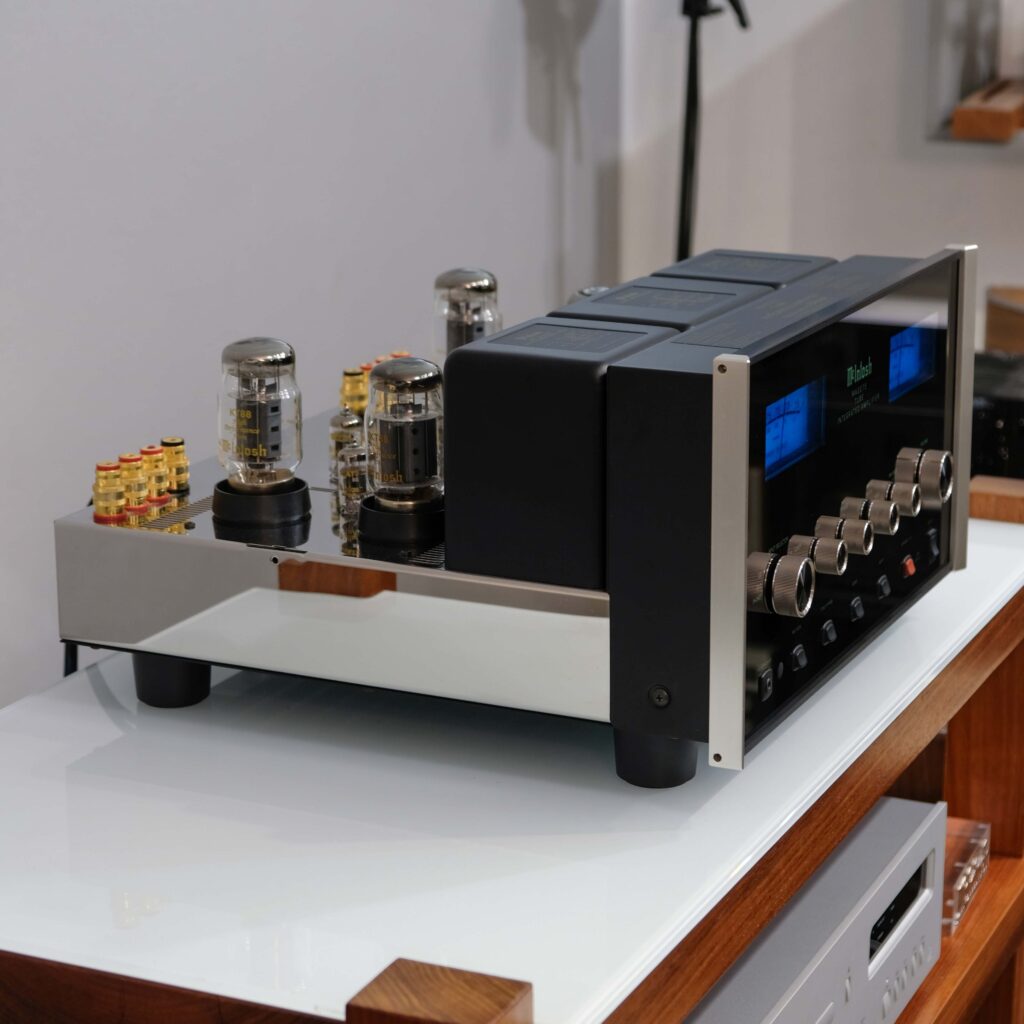
When talking about tube amplifiers , three adjectives always come up: warm, smooth, musical. These aren't just suggestions. Tubes can introduce a second-order harmonic distortion that many listeners perceive as pleasant , depending on the amplifier's design—a kind of 'roundness' that softens harsh transients without canceling them out.
The soundstage tends to be deeper , with an almost three-dimensional spatiality. Human voices, in particular, gain body and presence. Those who listen to vocal jazz, chamber classical music, and '60s and '70s rock often find that tubes have a naturalness that transistors struggle to reproduce.
When the valves really shine
Valves perform best in specific contexts:
- I listen to medium-low volume in domestic environments (living room, study)
- Speakers to high efficiency (>92 dB/W/m) that do not require high power
- Genres that privilege timbre and atmosphere compared to physical impact
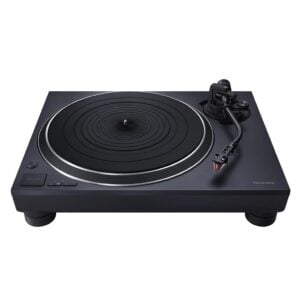
- Pure analog systems (turntable + valves = classic marriage)
But beware: a 20-watt-per-channel tube amplifier isn't 'underpowered' when paired with the right speakers. Brands like Luxman and McIntosh build tube integrated amplifiers capable of driving complex loads with authority, while retaining that unmistakable character.
The sound of solid state: precision, control, dynamics
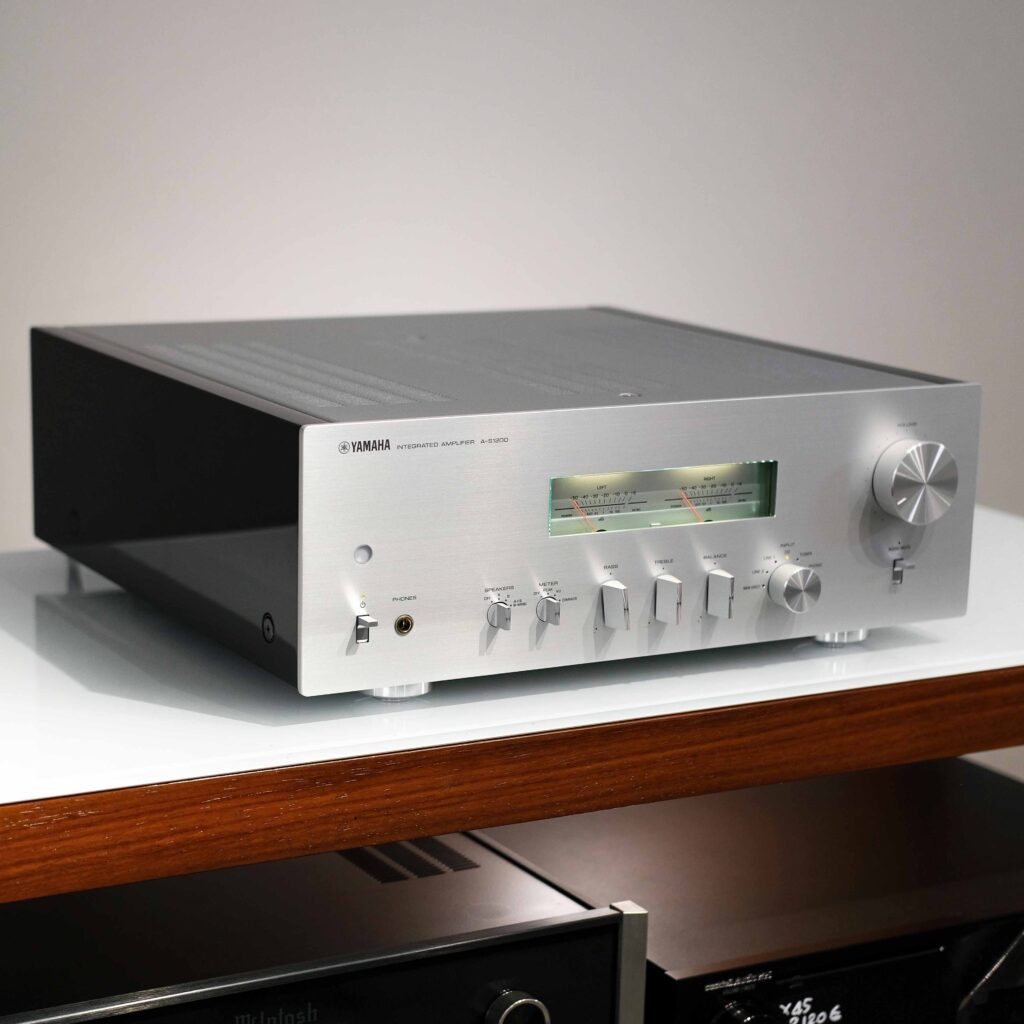
Modern transistor amplifiers aim for transparency : the output signal should be identical to the input signal, only more powerful. Harmonic distortion is minimal, the frequency response is flat from 20 Hz to 20 kHz (and beyond), and the damping factor is high—which means iron control over the woofers, deep, and defined bass.
The soundstage is more analytical , with instruments positioned with surgical precision. Transients are fast, the attack is clear. Those who listen to electronic music, metal, modern rock, and orchestral music at high volumes will find the dynamics and impact they seek in solid-state.
The practical advantages of the transistor
Beyond sound, solid state offers concrete benefits:
- Almost no maintenance: transistors last decades without intervention
- Thermal stability: they sound identical after 5 minutes or 5 hours of being on
- High power at low cost (a 100 W/ch integrated amplifier costs less than a 30 W/ch tube amplifier)
- Flexibility: they drive any speaker, even low efficiency ones
Brands like label, Musical Fidelity e Advance Paris They build solid-state amplifiers that balance technical precision and musicality, without the analytical coldness of more extreme designs. It's not true that transistors 'sound cold'—it depends on the designer's philosophy.
Maintenance and running costs: what to expect
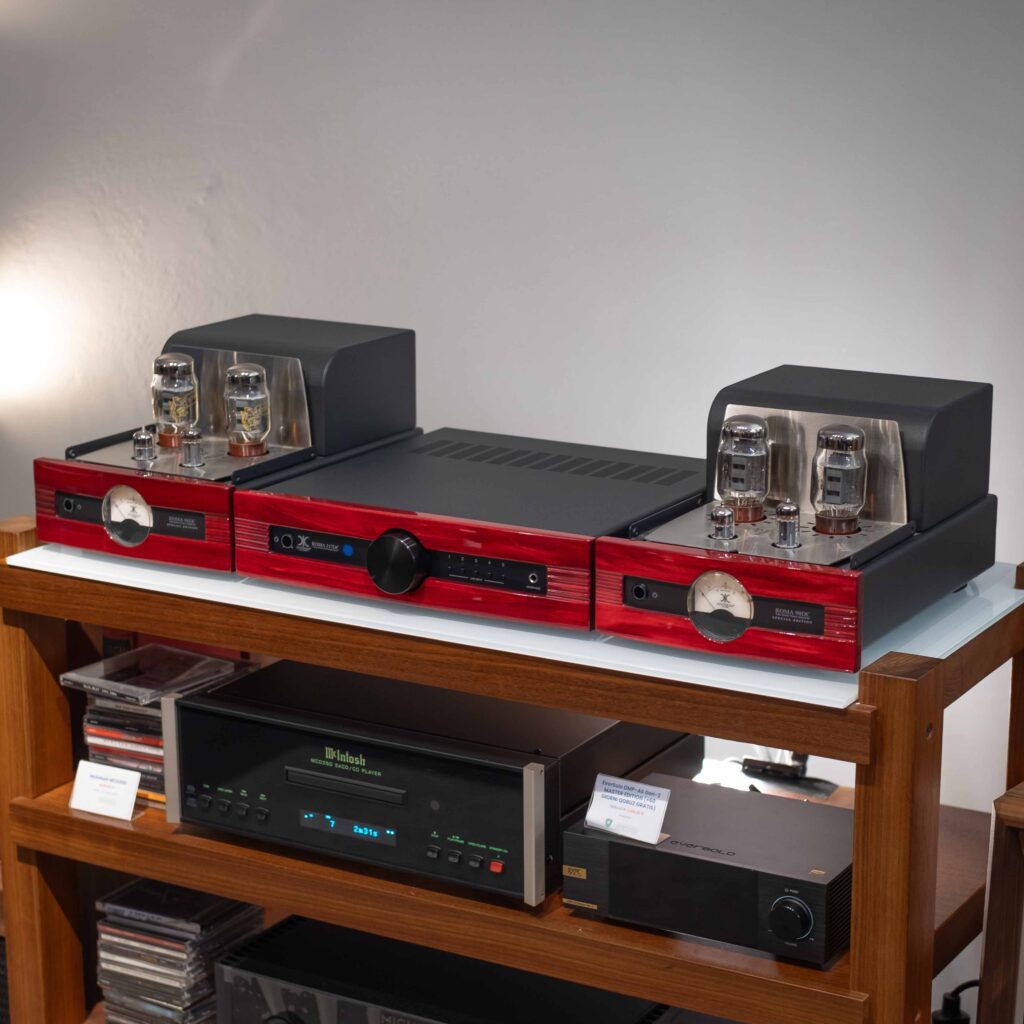
A tube amplifier is a living object . Power tubes (KT88, EL34, 300B) generally have a lifespan of 2.000–5.000 hours, although this can vary depending on usage and amplifier design—about 3–5 years with 2–3 hours of daily use. Replacing them costs anywhere from $100–$400 depending on the type and brand. Preamp tubes (12AX7, 6922) last longer, even 10.000 hours.
Every 12-18 months it is advisable to have a check-up of the bias (the quiescent current of the valves), operaA technician is required to perform this operation. The heat generated requires adequate ventilation: no enclosed furniture, and at least 15 cm of space above the amplifier.
Solid-state amplifiers, on the other hand, are practically install-and-forget . No periodic replacements, no adjustments. The only maintenance is cleaning the fans (if present) and, after 15-20 years, possibly replacing the electrolytic capacitors—but these are one-off interventions, not routine ones.
In terms of electricity consumption , valves are less efficient: a 30W valve integrated circuit draws 150-200W even when idle. An equivalent transistor consumes less than 50W. This is a minimal difference on your bill, but it's worth considering if the system is left on for many hours a day.
How to choose: matching with speakers and sources
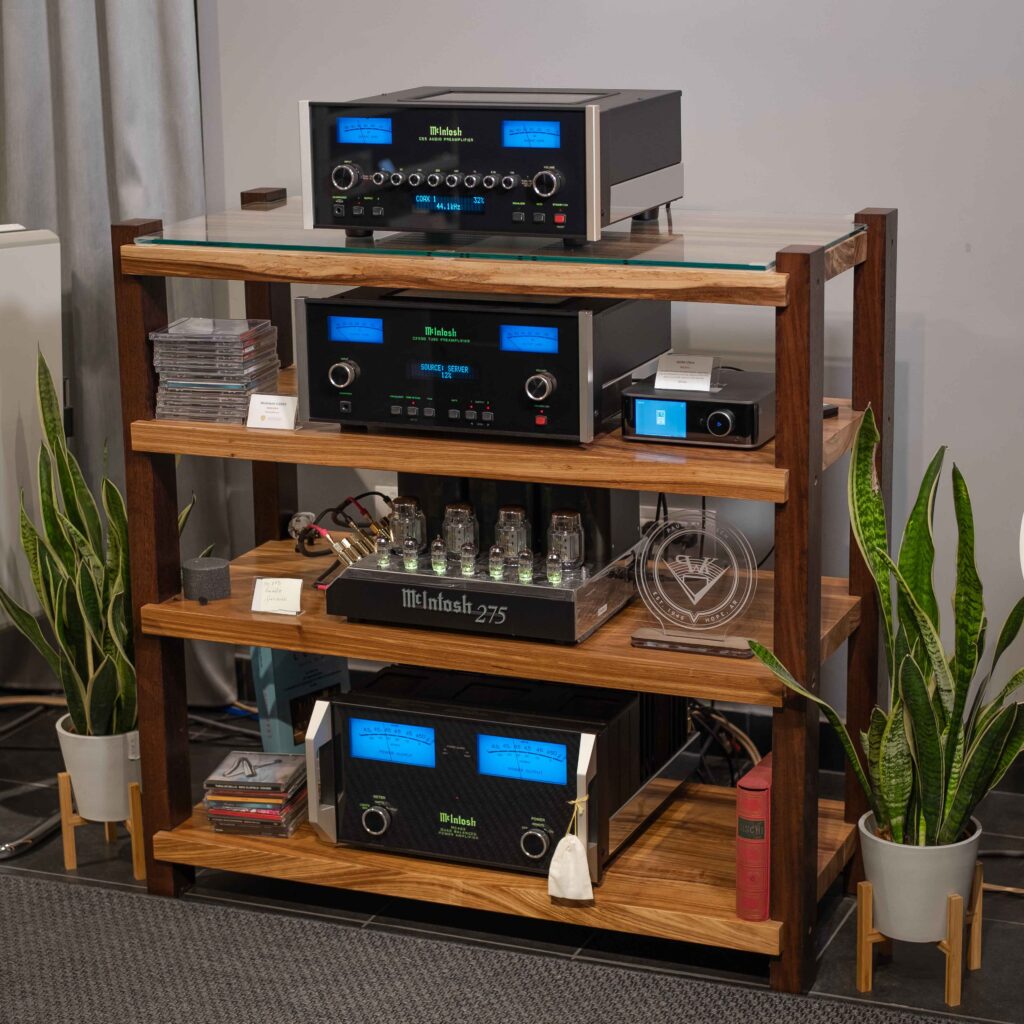
The choice between tubes and solid state is not made in theory—it depends on the overall system . A 15-watt-per-channel tube amplifier is perfect with Klipsch Heritage speakers (99 dB efficiency), but disastrous with 86 dB 3-way floorstanders that require 100 watts to play.
If your system revolves around a turntable and you listen mostly to vinyl, tubes enhance the naturalness of analog. If you use a high-resolution streamer and listen to 24/192 or DSD files, solid-state delivers every detail without compromise.
Some practical examples:
- High efficiency diffusers (Klipsch, JBL Heritage, Triangle) + valves = pure magic, even with a few watts
- 3-way floorstanding speakers (Sonus faber, wharfedale, P) + solid state = control and dynamics
- Bookshelf speakers monitor + tubes or solid state class A = perfect nearfield for studio or bedroom
- Multipurpose system (music + film) = solid state, for versatility and power
There are no hard and fast rules, but consistency is. A balanced system always sounds better than individually excellent but poorly matched components.
Prejudices to be dispelled (and those that are well-founded)
Myth #1: 'Tubes always sound better.' False. They play diverse, and that different appeals to many — but a good class A solid-state amplifier (Accuphase, Luxman, Musical Fidelity) restores musicality and three-dimensionality without sacrificing control and dynamics.
Prejudice #2: 'Transistors are cold and analytical.' This was true in the 1980s, with the first inexpensive Japanese integrated amplifiers. Today, a Rotel , an Advance Paris , or a solid-state Gold Note sound as warm and engaging as needed, without the hassle of replacing tubes every three years.
Truth #1: Tubes require more attention. This is undeniable. If the idea of opening the lid to check the bias scares you, solid-state is the rational choice.
Truth #2: Tubes cost more for the same power output. A 30-watt tube integrated amplifier costs the same as a 100-watt transistor amplifier. If your budget is limited and your speakers require power, the math is simple.
My advice? Listen . Take your speakers (or at least the specs) to a dealer and try both technologies with your music. Your ears decide, not the forum.
Conclusion
Tubes or solid state is not a religious war — it's a choice of character. Tubes give you three-dimensionality, sweetness, a certain romaSound precision comes at the price of maintenance and attention. Solid state gives you precision, power, and absolute reliability, with a sound that in the best designs is anything but sterile. The truth is that both technologies, in the hands of capable designers, produce real music —just with different nuances. Choose based on your speakers, your budget, and the time you want to dedicate to the system. And remember: the perfect amplifier is the one that lets you forget about technology and leaves you with just the music.